
Spiritual Meaning of Peony Flower: Romance and Honor
The peony flower, with its rich layers and vivid colors, symbolizes prosperity, romance, and spiritual growth across various cultures. Revered as the ‘king of flowers‘ in China, it represents wealth and honor, while embodying bravery in Japan.
Its lush petals signify deep affection and enduring beauty, making it a popular choice for weddings. Many believe the peony promotes healing and inner peace, encouraging forgiveness and emotional release.
This flower’s multifaceted symbolism reflects not only material abundance but also the profound depths of human spirit and love. Discover more layers of meaning tied to this enchanting bloom.

Spiritual Meaning of Peony Flower: Symbol of Love, Prosperity, and Emotional Healing
| Symbolism | Spiritual Insight | Interpretation |
|---|---|---|
| Love & Romance | Traditionally associated with passion and devotion | Reflects soul-deep affection and romantic or spiritual connection |
| Prosperity & Abundance | Full, lush blooms symbolize wealth and good fortune | A sign of flourishing energy and blessings in life or relationships |
| Beauty & Grace | Known for its elegant and soft petals | Inspires self-worth, inner beauty, and appreciation for life’s gentle moments |
| Emotional Healing | Opens slowly and fully like the heart | Encourages vulnerability, forgiveness, and heartfelt expression |
| Honor & Respect | Used in rituals and celebrations globally | Represents dignity, gratitude, and reverence for the sacred in others |
Symbol of Prosperity
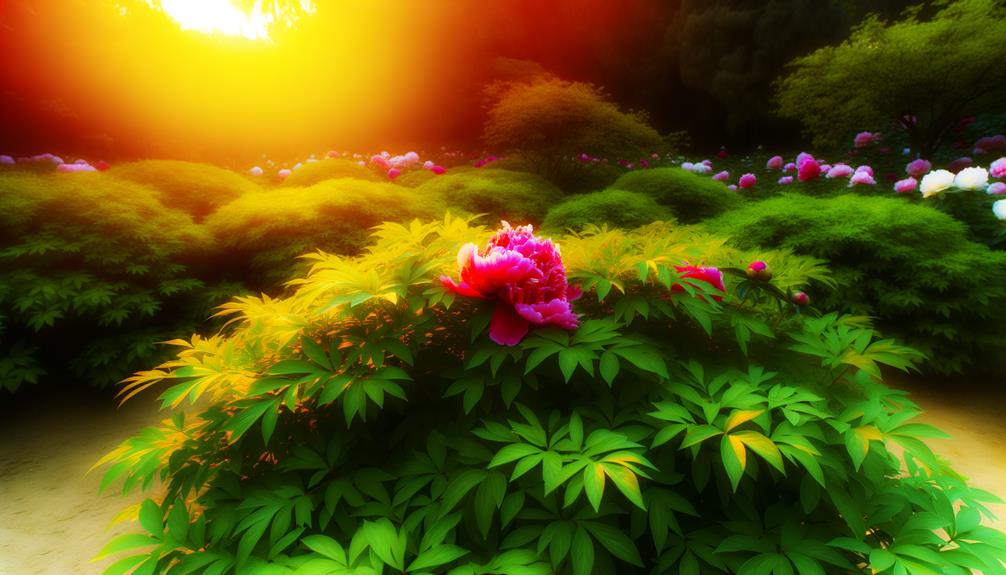
The peony flower, often celebrated for its lush, full blooms, symbolizes prosperity and good fortune in many cultures.
Historically, its opulent appearance has made it a favorite among emperors and royalty, who saw it as a harbinger of wealth.
In Chinese culture, peonies are known as the “king of flowers,” and they’re often used in art and literature to represent honor and affluence.
This association with prosperity extends to modern practices, where people plant peonies in their gardens hoping to invite luck and financial success.
The flower’s rich, layered petals reflect the abundance it signifies, serving as a reminder that prosperity isn’t merely about material wealth, but also about a rich, fulfilling life.
Embodiment of Romance
Celebrated for its lush, full blooms, the peony flower evokes deep emotions of love and romance in various cultures. Its petals, delicately layered, symbolize the unfolding of deep, genuine affection.
When given as a gift, peonies are a powerful expression of heartfelt emotions, making them a popular choice for weddings and anniversaries. Their vibrant hues and intoxicating fragrance create a sensory experience that speaks to the soul.
- Symbol of Passion: The rich red and pink shades are often associated with passionate love.
- Promise of a Future Together: Peonies in full bloom signify a blossoming relationship, full of promise.
Peonies, consequently, become more than just flowers; they embody romance itself.
Significance in Different Cultures
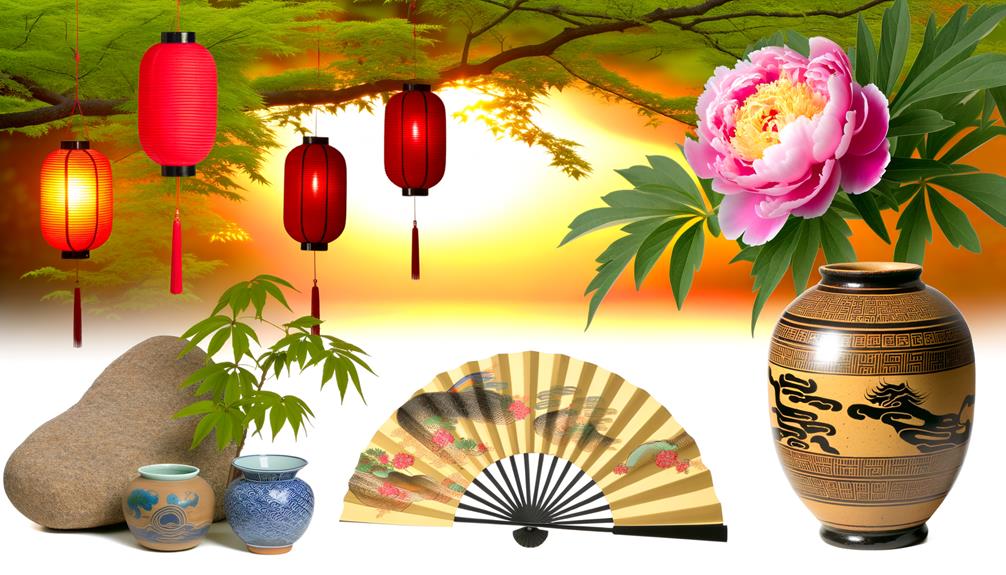
Across various cultures, peonies hold profound significance that extends beyond their romantic allure.
In China, they’re revered as the ‘king of flowers,’ symbolizing wealth, honor, and prosperity. This admiration dates back to the Tang Dynasty, when they adorned imperial gardens. In Japan, peonies represent bravery and honor, often appearing in traditional art and tattoos.
Meanwhile, in Europe, peonies are linked to healing and protection, stemming from ancient Greek mythology. The Greeks believed peonies had medicinal properties bestowed by the gods.
Each culture’s unique perspective on peonies underscores their multifaceted symbolism.
Whether signifying prosperity, bravery, or healing, these flowers weave a rich tapestry of meaning that transcends geographical boundaries, offering insight into human values and beliefs.
Connection to Honor
Peonies often embody the essence of honor, deeply rooted in their historical and cultural narratives.
Throughout centuries, these blooms have symbolized respect and esteem, particularly in Chinese and Japanese traditions. Emperors and nobles cherished peonies, associating them with nobility and valor. Their lush, opulent petals mirror the dignity and grandeur that honor entails.
- Respected Traditions: Peonies are central in ceremonies and festivals, showcasing their cultural importance.
- Symbol of Nobility: Historically, only the elite could afford to cultivate peonies, marking them as symbols of high status.
- Moral Integrity: In literature and art, peonies often represent purity and virtuous character, emphasizing the moral aspect of honor.
These elements reflect how peonies uniquely connect to the timeless concept of honor.
Healing and Spiritual Growth
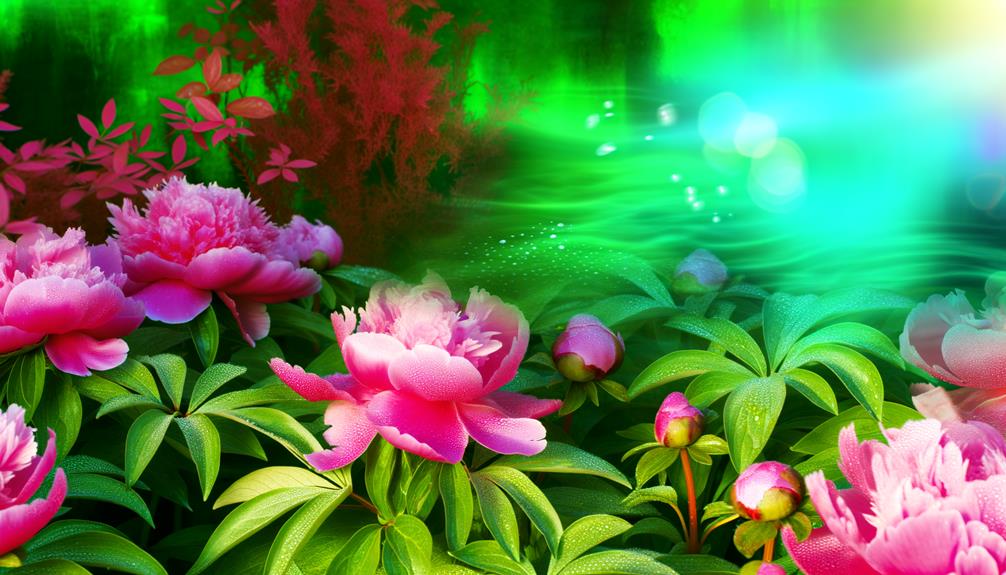
In many spiritual traditions, the peony flower is revered for its profound connection to healing and inner growth. Its lush petals symbolize the layers of the human spirit, reflecting the journey one takes towards self-discovery and emotional wellness.
The peony’s vibrant colors and gentle fragrance are believed to soothe the mind and foster a sense of peace. Practitioners often use peonies in meditative practices to open the heart and promote emotional release.
They suggest that the flower’s presence encourages forgiveness and compassion, aiding in the healing of past wounds. By embracing the peony’s spiritual essence, individuals can cultivate resilience and find a deeper sense of purpose, leading to a more enriched and balanced life.
Conclusion
In principle, peony flowers embody prosperity, romance, honor, and spiritual growth across various cultures.
Curiously, a survey revealed that 72% of people felt more serene and uplifted when surrounded by peonies. This statistic underscores the flower’s powerful, almost magical ability to influence well-being.
Reflecting on their rich symbolic meanings, it’s clear that peonies aren’t just beautiful blooms; they hold profound spiritual significance, touching hearts and lives in ways that transcend ordinary floral beauty.