
What Is the Spiritual Meaning of Light: Divine Illumination
Light, in spirituality, symbolizes divine presence, enlightenment, and the victory of knowledge over ignorance. Ancient mythologies and religious texts depict it as a guiding force, with figures like Apollo and Ra embodying its essence.
In various traditions, from Christianity to Buddhism, light represents hope, wisdom, and truth. It’s a metaphor for personal growth and inner peace, often used in meditation to foster clarity and spiritual connection.
Near-death experiences frequently describe encounters with a radiant light that brings overwhelming love and unity. Exploring this further reveals the profound impact of light on spiritual journeys.

Spiritual Meaning of Light: Symbol of Divine Truth, Awakening, and Inner Illumination
| Symbolism | Spiritual Insight | Interpretation |
|---|---|---|
| Divine Presence | Light is often associated with God or source energy | Symbolizes spiritual guidance, grace, and sacred connection |
| Awakening & Enlightenment | Brings clarity to darkness | Reflects the moment of inner realization, truth, and soul awareness |
| Inner Illumination | Shines from within the soul | Encourages self-discovery, purpose, and authentic living |
| Protection & Purity | Dispels fear and negative energy | Represents spiritual safety, purity, and the cleansing of lower vibrations |
| Love & Hope | Carries warmth and life-giving energy | A reminder that love, light, and hope exist even in the darkest times |
Light in Ancient Mythology

Throughout ancient mythology, light often symbolizes divine presence, wisdom, and the eternal struggle between good and evil. It’s seen as a beacon guiding humanity toward truth and enlightenment.
In Greek mythology, Apollo, the god of the sun, represents light and knowledge, illuminating the world with his chariot of fire. Similarly, in Egyptian mythology, Ra, the sun god, battles darkness every night, ensuring the sun rises each day.
These stories remind us that light isn’t just a physical phenomenon; it’s a profound metaphor for hope, clarity, and moral integrity.
Light in Religious Texts
Religious texts across various faiths often depict light as a manifestation of divine presence, guiding and comforting believers. They also use light to symbolize truth, illuminating the path to wisdom and understanding.
These sacred writings inspire a deeper connection with the divine, encouraging seekers to embrace light in their spiritual journeys.
Light as Divine Presence
Illuminating the path to spiritual enlightenment, light serves as a powerful symbol of divine presence in many sacred texts.
In the Bible, God’s presence is often depicted as radiant light, such as in the creation story where God commands, “Let there be light.”
The Quran also describes Allah as the ‘Light of the heavens and the earth,’ emphasizing the divine essence.
In Buddhism, light symbolizes the Buddha’s wisdom and enlightenment, guiding followers toward spiritual awakening.
Hindu scriptures celebrate light as a manifestation of the divine, particularly in the festival of Diwali, which honors the victory of light over darkness.
Across these traditions, light represents a direct link to the divine, offering hope, guidance, and a sense of profound connection.
Light Symbolizing Truth
Light, often seen as a beacon of truth, pervades religious texts, illuminating the path to wisdom and understanding.
In Christianity, Jesus is described as the ‘light of the world,’ revealing divine truth and offering salvation.
Similarly, in Hinduism, light represents knowledge dispelling the darkness of ignorance, as seen in the festival of Diwali.
Buddhism uses the metaphor of light to signify enlightenment, where ignorance is replaced with understanding. In the Quran, light symbolizes Allah’s guidance, leading believers away from falsehood.
Across these traditions, light consistently embodies the essence of truth, bringing clarity and hope.
This universal symbolism inspires individuals to seek deeper insights, fostering a shared journey toward spiritual enlightenment and a more profound connection with the divine.
Symbolism in Eastern Traditions
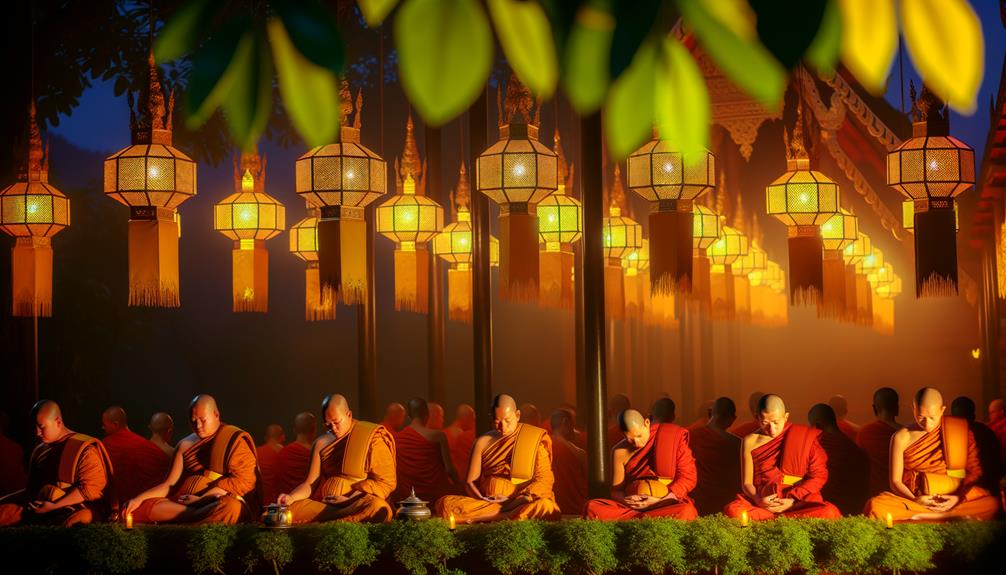
In Eastern traditions, light symbolizes the profound journey toward enlightenment and wisdom, guiding individuals to transcend ignorance. It also represents inner peace, illuminating the path to a harmonious and balanced life.
Through these symbols, light inspires seekers to realize their highest potential and embrace tranquility.
Enlightenment and Wisdom
Eastern traditions often view light as a profound symbol of enlightenment and wisdom, reflecting the journey toward inner clarity and understanding.
In Buddhism, the image of the Buddha illuminated by a halo underscores the attainment of supreme insight and liberation from ignorance.
Similarly, Hinduism associates light with the divine knowledge of the Vedas, guiding followers toward spiritual awakening. Taoism, too, speaks of the “inner light” that leads one to harmony and truth.
These traditions collectively emphasize that light isn’t just a physical phenomenon but a metaphor for the profound realization and wisdom that dispels the darkness of misunderstanding.
Inner Peace Representation
The serene glow of light in Eastern traditions often symbolizes the inner peace that arises from spiritual alignment and self-realization.
In practices like meditation and yoga, light represents the journey inward, guiding individuals toward a state of tranquility and harmony.
The light within illuminates the path to self-awareness and acceptance, shedding layers of ego and superficial desires.
This inner luminescence is seen as a beacon, fostering a deep sense of contentment and balance.
By connecting with this inner light, one can navigate life’s challenges with grace and composure.
Eastern philosophies encourage embracing this light to cultivate a serene mind and a compassionate heart, ultimately leading to a more peaceful and fulfilling existence.
Light as a Metaphor
Light often serves as a powerful metaphor for hope, knowledge, and spiritual awakening. People have long used light to symbolize the clarity that dispels darkness, the wisdom that conquers ignorance, and the hope that overcomes despair.
When one says, “I see the light,” it often means they have found understanding or a path forward. Light represents a guiding force, illuminating the way through life’s challenges.
| Metaphor | Meaning |
|---|---|
| Light of Hope | Optimism in dark times |
| Light of Knowledge | Enlightenment and wisdom |
| Light of Awakening | Spiritual enlightenment |
Embracing these metaphors can inspire individuals to seek personal growth and transformation. Light, in its many forms, invites us to rise above our limitations and move towards a brighter, more fulfilling existence.
Light in Meditation Practices

Meditation practices across various spiritual traditions often harness the symbolic power of light to enhance focus, inner peace, and spiritual connection.
Practitioners visualize a radiant light, which might be perceived as surrounding them or emanating from within. This light symbolizes clarity, purity, and divine presence, guiding individuals towards a deeper understanding of themselves and the universe.
By focusing on this light, meditators can quiet their minds, dispel negative thoughts, and cultivate a sense of tranquility. This imagery of light serves as a powerful tool to reconnect with one’s higher self, fostering a sense of unity and compassion.
Whether it’s a candle flame or the imagined glow of inner light, these practices illuminate the path to spiritual awakening.
Healing and Light Therapy
Harnessing the transformative power of light, healing and light therapy techniques offer profound benefits for both physical and spiritual well-being.
Light therapy, often through devices emitting specific wavelengths, can alleviate conditions like seasonal affective disorder and depression, promoting emotional balance. Spiritually, these therapies are believed to cleanse the aura and rebalance energy fields, fostering inner peace.
Practitioners incorporate light to enhance meditation, accelerate healing, and deepen spiritual connections. The gentle illumination serves as a reminder of inner light and potential.
This convergence of science and spirituality embodies hope, showing that light can indeed heal the mind, body, and spirit. Aided by light, individuals can commence on a journey toward holistic health and spiritual awakening.
Light in Near-Death Experiences

Many individuals recount witnessing a radiant, enveloping light during near-death experiences, describing it as a source of immense love and peace. This light often appears to guide them towards profound spiritual revelations.
The consistent elements reported by those who’ve had such experiences include:
- Feeling of Unity: Many describe a sense of being interconnected with everything and everyone.
- Overwhelming Peace: The light brings a deep sense of tranquility and acceptance.
- Unconditional Love: People often feel enveloped in an all-encompassing love, unlike any earthly experience.
- Life Review: Some report seeing pivotal moments of their lives, gaining insights into their actions and relationships.
These awe-inspiring encounters suggest that light in near-death experiences can be a gateway to divine understanding and comfort.
Personal Enlightenment and Growth
Through life’s journey, individuals often find that the illumination of their inner light leads to profound personal enlightenment and growth. This inner light, representing wisdom and self-awareness, guides them through challenges and fosters resilience.
By embracing their authentic selves, people reveal their potential, discovering new strengths and insights. This transformative process isn’t without its trials, yet each obstacle offers opportunities for deeper understanding and compassion.
As individuals cultivate their inner light, they inspire others, creating a ripple effect of positivity and growth. The spiritual significance of light therefore transcends the individual, touching the collective human experience.
In this way, personal enlightenment becomes a shared journey, where every step forward brings clarity, purpose, and a deeper connection to life’s profound mysteries.
Conclusion
In ancient mythology to modern meditation practices, light has always symbolized clarity, hope, and divine presence. It transcends cultures and epochs, illuminating paths to personal growth and understanding.
As people navigate the pixelated maze of contemporary life, embracing the spiritual essence of light can offer profound healing and enlightenment.
Light, in all its forms, continues to guide humanity toward deeper connections and inner peace, proving its timeless relevance in our quest for spiritual fulfillment.