Spiritual Meaning of a House: Sacred Space
A house transcends its physical form, serving as a profound spiritual symbol of personal identity, emotional sanctuary, and a sacred space for reflection and growth. Each room holds its significance, from the nourishing kitchen to the restful bedroom, contributing to a harmonious spiritual tapestry.
Energy flow within a home profoundly impacts emotional and spiritual well-being, with mindful design promoting positive vibrations. Ancient traditions and modern practices like Feng Shui emphasize aligning homes with cosmic energies to transform them into sanctuaries of peace and balance.
As you explore deeper, you will uncover intricate connections between your living space and your spiritual journey.

Spiritual Meaning of a House: Identity, Inner Self, and Life’s Foundation
| Symbolism | Spiritual Meaning |
|---|---|
| Self and Identity | Represents your inner being, thoughts, and emotional landscape |
| Foundation | Symbolizes stability, security, and life structure |
| Personal Growth | Different rooms reflect aspects of personal and spiritual development |
| Emotional State | The condition of the house mirrors your current feelings and inner health |
| Spiritual Shelter | Seen as a sacred space for reflection, healing, and connection to higher energies |
The Symbolism of a Home
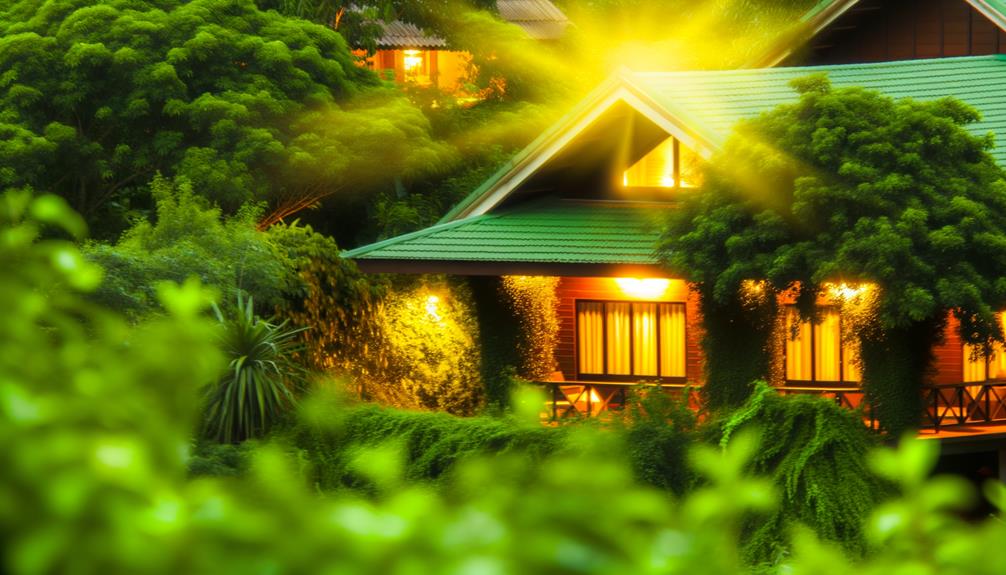
A home symbolizes more than just a physical structure; it embodies a sanctuary of personal identity, emotional grounding, and spiritual solace. It is where life’s most intimate moments unfold, offering a space for reflection, growth, and connection.
Each room, corner, and artifact becomes a silent witness to our joys, sorrows, and aspirations. This sacred space nurtures our soul, providing a refuge from the external world’s chaos.
The home’s essence resonates with our deepest values, shaping our daily experiences and long-term journeys. It is a canvas where the spiritual and the mundane intertwine, creating a harmonious environment that fosters well-being and purpose.
Consequently, a home transcends its material form, becoming an essential element of our spiritual and emotional landscape.
Energy Flow and Vibration
When considering the energy flow and vibration within a home, it becomes evident that each space pulses with unique frequencies that influence our emotional and spiritual states.
The layout, decor, and even the positioning of furniture can either harmonize or disrupt these energies. A home filled with natural light and thoughtful design can elevate our mood, fostering a sense of peace and well-being.
Conversely, cluttered or poorly arranged spaces can create stagnation, leading to feelings of unease. By being mindful of the energy flow, we can create an environment that not only reflects our inner selves but also nurtures our spiritual growth.
Understanding this dynamic allows us to transform our homes into sanctuaries of positive energy and balance.
The Role of Each Room
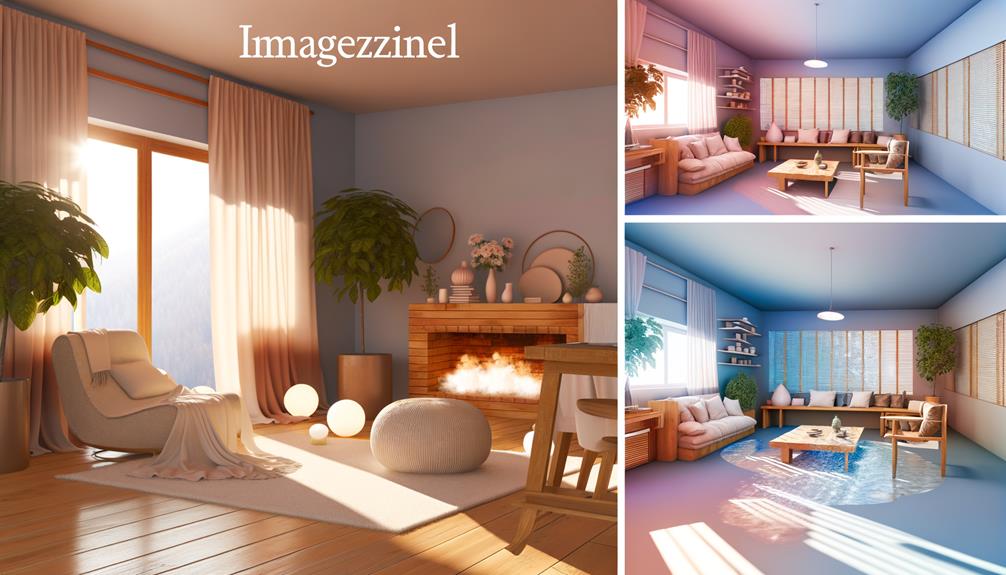
Each room within a home serves a unique spiritual function, contributing to the overall harmony and well-being of its inhabitants.
The kitchen often represents the heart of the home, a space for nourishment and gathering, while bedrooms offer sanctuary and rest, essential for renewal.
Creative and expressive energies find their place in rooms dedicated to hobbies and work, fostering personal growth and fulfillment.
Heart of Home
Within the sacred confines of a home, each room embodies a unique essence that contributes to the spiritual tapestry of the household.
The kitchen, for instance, serves as the heart where nourishment and communal bonding flourish.
The living room acts as the space for connection and shared experiences, fostering unity among household members. The study or workspace offers a retreat for intellectual growth and personal reflection.
- Kitchen: Center of nourishment and family bonding.
- Living Room: Space for connection and shared experiences.
Each room, with its distinct role, weaves together the intricate fabric of home life, creating a sanctuary that nurtures the body, mind, and soul.
Sanctuary and Rest
The bedroom, often considered the sanctuary of the home, provides a tranquil space for rest and rejuvenation, essential for maintaining spiritual and emotional well-being.
This sacred retreat allows individuals to disconnect from daily stresses and reconnect with their inner selves. The gentle embrace of comforting linens and the serene ambiance foster an environment conducive to deep, restorative sleep.
Meanwhile, the bathroom serves as a place of cleansing and renewal, symbolizing the washing away of worries and negative energies.
Living rooms, as communal spaces, offer relaxation and bonding, creating a nurturing environment that enhances emotional security.
Each room within a home plays a pivotal role in creating a harmonious sanctuary, contributing to an overall sense of peace and balance.
Creativity and Expression
Beyond providing sanctuary and rest, the spaces within a home also serve as canvases for creativity and personal expression. Each room offers unique opportunities to reflect one’s inner world and foster imaginative pursuits.
Consider the following:
- Living Room: A communal area where artistic expressions through décor, artwork, and furniture choices can stimulate interaction and inspiration.
- Kitchen: Often the heart of the home, it is a space where culinary creativity can flourish, turning everyday meals into acts of love and innovation.
Ancient Traditions and Beliefs
Throughout history, various ancient cultures have imbued houses with profound symbolic significance, seeing them as sacred spaces that reflect the soul’s journey and the cosmos.
In ancient Egypt, homes were constructed with alignment to celestial bodies, manifesting a microcosm of the universe.
Native American traditions viewed the tipi or longhouse as a spiritual center, representing the interconnectedness of life.
In Hinduism, the Vastu Shastra prescribed architectural principles to harmonize dwellings with cosmic energies. Each corner, doorway, and window was designed to invite balance and spiritual well-being.
These ancestral beliefs underscore the notion that a house is more than a shelter; it is a vessel of spiritual resonance, embodying the eternal dance between human existence and the divine.
Modern Practices and Feng Shui
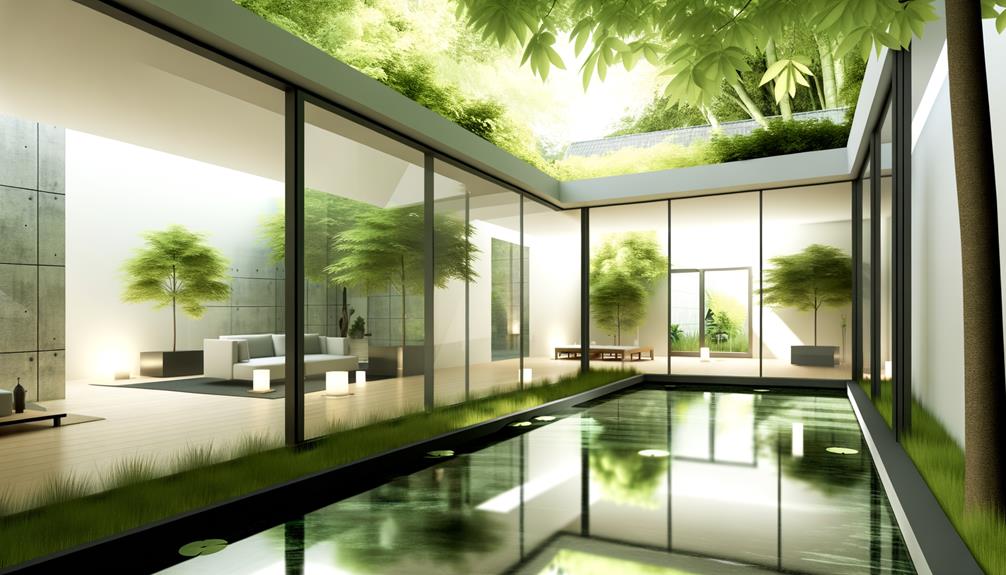
In contemporary times, many individuals turn to the principles of Feng Shui to create harmonious living spaces that nurture both physical and spiritual well-being. This ancient Chinese practice, which translates to ‘wind-water,’ emphasizes the balance of energies within a home to promote health, wealth, and happiness.
Modern adaptations of Feng Shui offer practical guidance on arranging furniture, selecting colors, and utilizing natural elements to enhance the flow of positive energy, or ‘chi.’
- Decluttering: Removing unnecessary items to allow energy to flow freely.
- Color schemes: Choosing hues that correspond with the desired energies, such as blue for tranquility or red for vibrancy.
These practices underscore the importance of intentional living environments in achieving holistic well-being.
Creating a Sacred Space
Creating a sacred space within your home begins with mindful selection of items that hold personal significance and spiritual resonance.
Equally important are space cleansing rituals that clear away negative energies, fostering an environment of peace and well-being.
Together, these practices transform your living space into a sanctuary that nurtures the soul.
Choosing Sacred Items
Selecting sacred items for your space involves intentionality and a deep connection to objects that resonate with your spiritual journey. Each item chosen should evoke a sense of peace, purpose, and personal significance. These items can serve as tangible reminders of your spiritual intentions and aspirations.
Consider the following:
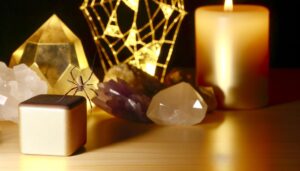
- Crystals and Stones: Known for their healing properties, each type carries unique energies that can enhance your space.
- Symbols and Icons: Objects such as statues, pictures, or artifacts that hold spiritual meaning can foster a sense of reverence.
Space Cleansing Rituals
Embracing space cleansing rituals allows you to transform your home into a sanctuary of calm and spiritual rejuvenation.
These practices, rooted in ancient traditions, serve to clear stagnant energy, inviting positivity and harmony. By creating a sacred space, you can foster an environment that nurtures your spirit and promotes well-being.
| Method | Purpose |
|---|---|
| Smudging | Removes negative energy using sage or palo santo |
| Sound Cleansing | Uses bells, singing bowls, or chimes to harmonize vibrations |
| Salt Rituals | Absorbs negative energy when sprinkled or placed in bowls |
| Essential Oils | Diffuses calming scents like lavender or frankincense |
Incorporating these rituals into your routine can profoundly elevate the spiritual essence of your home.
Conclusion
In summation, the spiritual essence of a house transcends mere physicality, embodying a sanctuary for the soul through the intricate interplay of energy, vibration, and spatial significance.
Ancient traditions and modern feng shui practices converge, revealing timeless wisdom in the creation of sacred spaces.
As domiciles become sanctuaries, the holistic integration of these principles fosters environments of harmony and spiritual elevation, thereby transforming the quotidian into domains of profound existential enrichment.