
SI Joint Pain Spiritual Meaning: Stability Disruption
SI joint pain often reflects deeper emotional and spiritual imbalances in one’s life. This pain can be rooted in unresolved emotional trauma, unaddressed life conflicts, or blocked emotional energy.
On a spiritual level, it may signify an imbalance or misalignment, particularly in the root and sacral chakras, impacting one’s sense of stability and grounding. Addressing these issues through holistic practices like mindfulness, energy healing, and emotional release can foster profound healing.
Embracing a holistic approach allows for insight into the spiritual meanings behind physical discomfort and guides one towards a path of complete wellness. Discover more about these connections and healing practices.

Spiritual Meaning of SI Joint Pain: Instability, Life Support, and Root Chakra Imbalance
| Symbolic Aspect | Spiritual Meaning |
|---|---|
| Root Chakra Imbalance | Reflects issues with safety, survival, and grounding |
| Lack of Support | Symbolizes feeling unsupported emotionally, financially, or spiritually |
| Life Instability | Indicates imbalance in core aspects of life such as home, relationships, or career |
| Emotional Rigidity | Suggests difficulty in adapting to life’s changes or letting go of control |
| Call for Grounding | Encourages reconnecting with the body, Earth energy, and stable routines |
Understanding SI Joint Pain
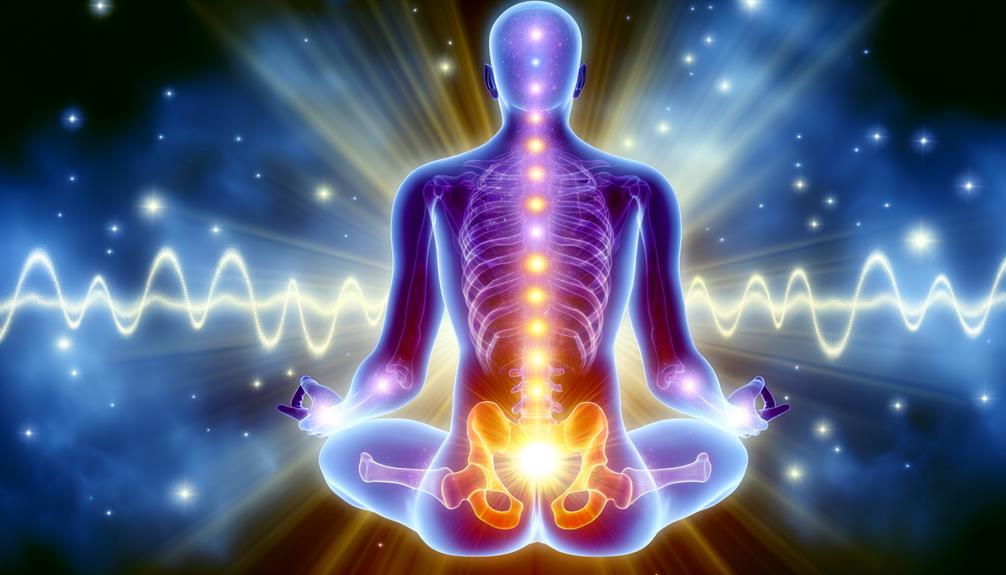
Sacroiliac (SI) joint pain, a condition often resulting in discomfort and restricted mobility, originates from the joint that connects the sacrum to the ilium in the lower back. This pivotal joint supports the weight of the upper body and facilitates movement.
When misalignment or inflammation occurs, the resultant pain can be profound, influencing not just physical activity but overall well-being. Understanding the intricacies of the SI joint is essential; recognizing its role in providing stability and flexibility allows for a compassionate approach to managing pain.
The Mind-Body Connection
Recognizing the profound impact of SI joint pain on daily life invites an exploration into the mind-body connection, illuminating how emotional and psychological factors can influence physical well-being.
The body and mind are intricately linked, with stress, anxiety, and unresolved emotions manifesting as physical discomfort. Studies have shown that chronic pain conditions, including SI joint pain, often correlate with heightened emotional distress.
By fostering a holistic understanding, individuals can acknowledge that pain is not merely a physical ailment but also a reflection of internal states.
This perspective encourages a compassionate approach to healing, emphasizing the importance of addressing both mental and physical health to achieve overall well-being.
Through mindfulness and self-awareness, one can begin to unravel the complexities of their pain.
Emotional Roots of Pain
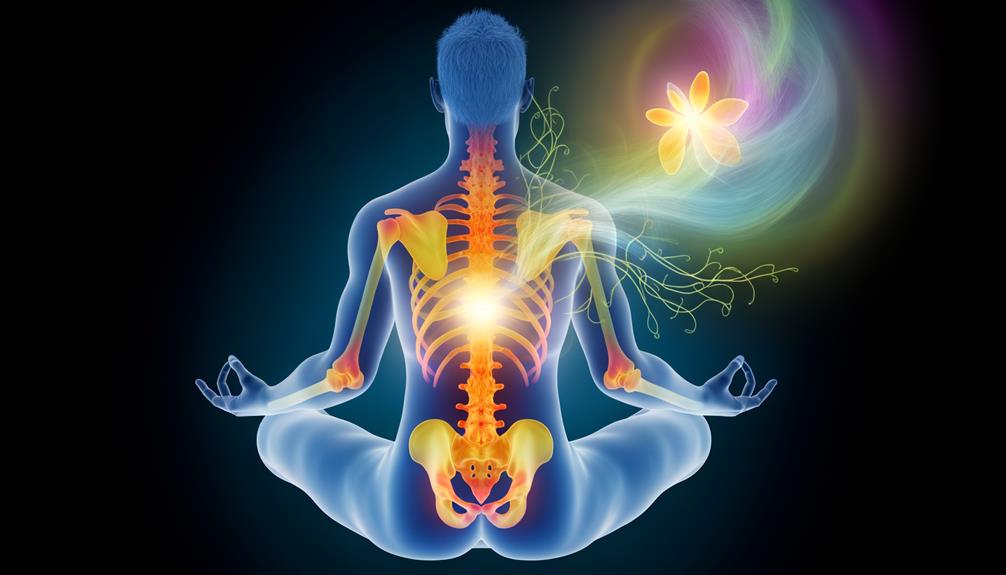
Understanding the emotional roots of pain can reveal how repressed emotional trauma, unresolved life conflicts, and emotional energy blockages manifest physically, particularly in the sacroiliac joint.
Embracing a compassionate and holistic approach allows for a deeper awareness of how these unaddressed emotional issues contribute to chronic discomfort.
Addressing these underlying emotional factors is essential for thorough healing and relief.
Repressed Emotional Trauma
Often intricately linked to the physical manifestations of sacroiliac joint pain are deeply buried emotional traumas that have not yet been addressed.
These repressed emotions can fester within the body, subtly influencing physical well-being. Recognizing and understanding these emotional roots can be an essential step toward holistic healing.
Symptoms of repressed emotional trauma manifest in various ways:
- Chronic pain that seems resistant to conventional treatments.
- Emotional numbness or a disconnection from one’s feelings.
- Unexplained anxiety or stress that persists despite changes in circumstances.
Unresolved Life Conflicts
The emotional roots of pain often stem from unresolved life conflicts, deeply impacting one’s physical health and overall well-being.
When internal struggles and unresolved disputes linger, they can manifest as physical ailments, such as SI joint pain. These conflicts might involve personal relationships, unfulfilled aspirations, or deeply ingrained fears.
As these issues remain unaddressed, the emotional tension they generate can settle into the body, creating discomfort and pain.
Understanding the connection between unresolved life conflicts and physical symptoms is essential for holistic healing.
By addressing these emotional roots compassionately, individuals can begin to release the pain held within their bodies, fostering a more harmonious and healthier existence.
Recognizing and resolving these conflicts can be a transformative step toward overall well-being.
Emotional Energy Blockages
Unresolved life conflicts often manifest as emotional energy blockages, contributing greatly to physical pain such as that experienced in the SI joint.
These blockages hinder the free flow of emotional and spiritual energy, leading to discomfort and chronic issues. Understanding the emotional roots of SI joint pain can be deeply transformative.
The pain may symbolize:
- Repressed anger or frustration: Holding onto these emotions can create tension in the lower back.
- Unexpressed grief or sadness: These emotions can settle in the body, causing persistent pain.
- Fear of change or instability: Anxiety about life’s uncertainties can manifest as physical stiffness.
Addressing these emotional blockages holistically can promote healing and well-being.
Spiritual Imbalance Indicators
Recognizing spiritual imbalance indicators can be vital in understanding the deeper layers of SI joint pain.
Energetic misalignment often manifests through physical discomfort and emotional unrest, signaling that something within our spiritual framework needs attention.
Additionally, chakra blockage symptoms, such as feelings of stagnation or disconnection, can further illuminate the underlying spiritual issues contributing to the pain.
Energetic Misalignment Signs
Energetic misalignment often manifests through physical discomfort, such as SI joint pain, signaling a deeper spiritual imbalance that requires attention.
This misalignment can be felt in various ways, indicating a disconnect between the body, mind, and spirit. Recognizing these signs is essential for fostering holistic well-being and starting on a path toward healing.
- Persistent fatigue: Feeling drained despite adequate rest, pointing to an energy blockage.
- Emotional instability: Experiencing unexplained mood swings or heightened sensitivity.
- Physical tension: Chronic pain or stiffness, particularly in areas like the lower back.
- Mental fog: Difficulty concentrating or making decisions, suggesting a need for spiritual realignment.
Addressing these symptoms with compassion and awareness can guide one toward restoring balance and energy.
Chakra Blockage Symptoms
Understanding the physical manifestations of energetic misalignment can lead us to explore how chakra blockages similarly reflect spiritual imbalances within the body.
When chakras are obstructed, the flow of life energy—known as prana or chi—is disrupted, potentially manifesting as both physical and emotional symptoms.
For instance, a blocked root chakra might cause lower back pain or feelings of insecurity, while an imbalanced sacral chakra could result in pelvic discomfort or emotional instability. Recognizing these symptoms is essential for addressing the root cause of spiritual disarray.
By seeking holistic practices like meditation, energy healing, or yoga, individuals can restore balance, fostering both physical well-being and spiritual harmony.
Understanding these connections empowers us to achieve thorough healing.
Energy Blockages and Healing
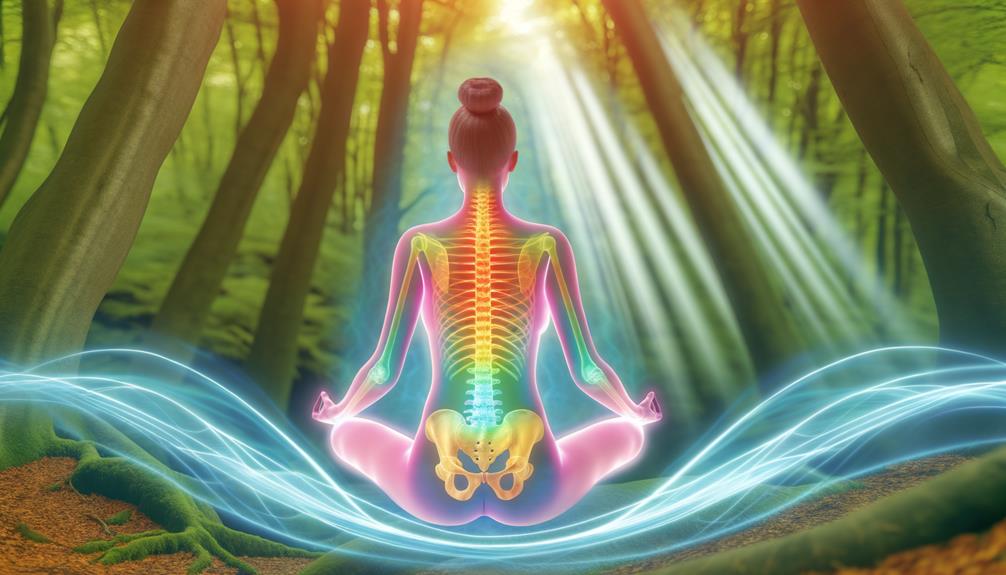
Energy blockages in the sacroiliac joint can hinder the body’s natural healing processes, necessitating a holistic approach to restore balance and energy.
When energy is obstructed in this area, it can manifest as physical discomfort, emotional distress, and spiritual dissonance. By understanding the root causes of these blockages, we can initiate a journey towards thorough healing.
- Emotional Release: Unresolved emotions often contribute to energy blockages, requiring mindful practices to facilitate release.
- Mind-Body Connection: Acknowledging the interplay between mental state and physical health can aid in addressing underlying issues.
- Energy Flow Restoration: Techniques like Reiki and acupuncture can help restore the natural flow of energy.
- Self-Awareness: Cultivating a deeper awareness of one’s body and energy can provide insights into personal healing needs.
Holistic Healing Practices
Holistic healing practices encompass a range of techniques designed to address the physical, emotional, and spiritual aspects of sacroiliac joint pain, fostering a complete path to well-being.
These practices include gentle yoga and stretching, which help to relieve physical tension while promoting harmony within the body.
Emotional healing can be facilitated through mindfulness meditation, allowing individuals to release stress and cultivate inner peace.
Additionally, practices such as Reiki and acupuncture work to balance the body’s energy flow, addressing blockages that may contribute to pain.
Essential oils and herbal remedies can also provide soothing relief, supporting the body’s natural healing processes.
Aligning Body and Spirit
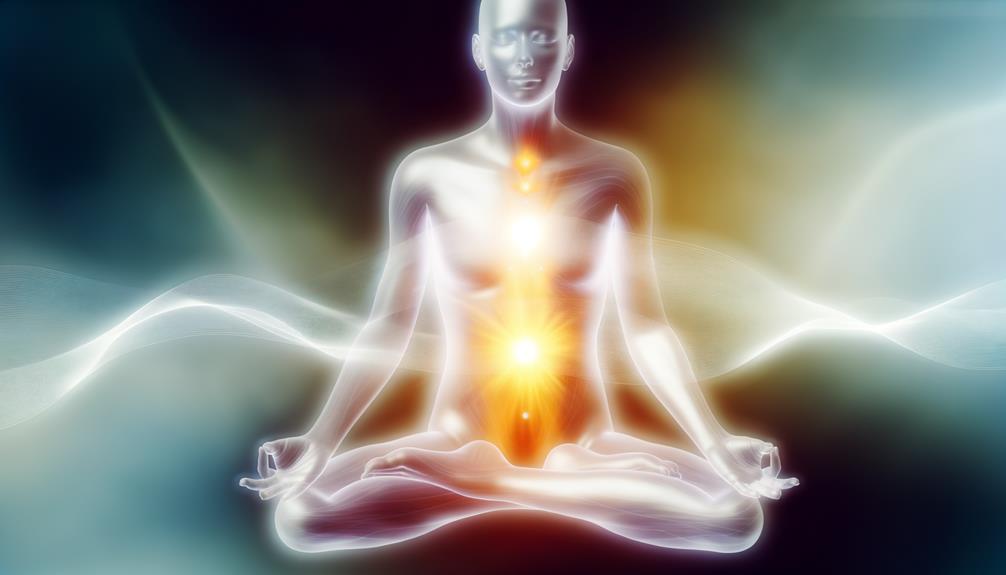
Achieving alignment between the body and spirit is essential for holistic healing and can greatly alleviate sacroiliac joint pain.
This alignment fosters a harmonious connection that not only mitigates physical discomfort but also enhances overall well-being. By integrating mind, body, and spirit, individuals can experience profound relief and deeper self-awareness.
- Mindfulness practices: Engage in meditation and breathing exercises to cultivate presence and inner peace.
- Physical therapies: Incorporate yoga, tai chi, and gentle stretching to promote flexibility and reduce tension.
- Emotional healing: Address and release suppressed emotions through journaling or counseling.
- Spiritual connection: Practice rituals or spiritual activities that resonate personally, such as prayer or nature walks.
Aligning these aspects nurtures a balanced state, paving the way for enduring relief and holistic wellness.
Conclusion
To summarize, sacroiliac (SI) joint pain may signify deeper emotional and spiritual imbalances, reflecting the complex interplay between mind, body, and spirit.
Addressing the root causes of such pain requires a holistic approach, incorporating emotional awareness, spiritual alignment, and energy healing practices.
When the body speaks, it is wise to listen with an open heart, for true healing encompasses more than just physical remedies; it demands the integration of one’s entire being into the path of wellness.