
Spiritual Meaning of Burning Candles: Manifestation
Burning candles have deep spiritual significance, weaving through ancient customs and diverse cultures. They symbolize illumination, hope, and divine presence, offering comfort during meditation and rituals.
In religious ceremonies, candles represent purity, faith, and wisdom. Different colors amplify specific intentions, such as white for peace, green for growth, and blue for healing.
Lighting a candle can serve as a beacon of protection, a method of honoring ancestors, or a tool for manifesting desires. This timeless practice connects us to the sacred and fosters emotional balance.
Explore further to disclose the rich layers of candle symbolism and their impact on spiritual journeys.
Spiritual Meaning of Burning Candles: Intention, Illumination, and Sacred Connection
| Symbolism | Spiritual Meaning |
|---|---|
| Intention Setting | Represents focused energy for prayer, manifestation, or spiritual goals |
| Divine Connection | Acts as a medium for communication with higher realms, guides, or ancestors |
| Inner Light | Symbolizes soul illumination and personal spiritual awakening |
| Transformation | Flame reflects change, purification, and spiritual evolution |
| Sacred Space | Creates an atmosphere for meditation, protection, and energetic balance |
Historical Significance
Tracing back to ancient civilizations, burning candles has long been imbued with profound symbolic and ritualistic significance.
Ancient Egyptians used candles in sacred ceremonies, seeing the light as a bridge between the human and divine domains. In ancient Rome, candles illuminated both homes and temples, signifying purity and protection.
Candles were not merely sources of light but symbols of enlightenment, hope, and spiritual connection. The flickering flame represented the soul’s resilience amidst life’s uncertainties.
This historical use illuminates the human quest for meaning and connection, as candles provided comfort, direction, and a tangible sense of the sacred.
Understanding this rich heritage fosters a deeper appreciation for the spiritual dimensions that candles continue to embody in modern practices.
Symbolism in Different Cultures
The burning of candles holds profound symbolic meaning across various cultures, each attributing unique significance to this timeless practice.
From ancient rituals that embodied reverence and connection to the divine, to religious ceremonies where candles represent faith and hope, their influence permeates numerous cultural traditions.
Understanding these diverse interpretations enriches our appreciation for the universal spirit of illumination and warmth that candles bring into our lives.
Ancient Rituals Significance
Across diverse cultures, the act of burning candles has been imbued with profound spiritual symbolism, serving as a bridge between the physical and the metaphysical.
In ancient rituals, candles were seen as vessels of divine light, illuminating not just physical spaces but also the soul’s inner sanctum. The flickering flame represented the ephemeral nature of life and the eternal presence of the spirit.
In Celtic traditions, candles were lit to invoke protection and guidance from ancestral spirits. Similarly, in ancient Egypt, they were used in elaborate ceremonies to honor deities and to facilitate the passage of souls to the afterlife.
These practices highlight the universal reverence for candles as sacred instruments of connection, transformation, and enlightenment.
Religious Ceremonies Meaning
Building on these ancient practices, the spiritual significance of burning candles has found a profound place within various religious ceremonies around the world. This ritual transcends mere illumination, offering deeper, symbolic meanings across cultures.
Candles often represent:
- Divine Presence: In Christianity, the lighting of candles signifies the presence of God, bringing comfort and spiritual connection during worship.
- Enlightenment: In Buddhism, candles symbolize the light of wisdom dispelling darkness, guiding practitioners on their spiritual journey.
- Remembrance: In Judaism, Yahrzeit candles honor the memory of loved ones, creating a tangible link between the past and present.
- Protection: In Hinduism, Diwali lamps are lit to invite prosperity and ward off negativity, fostering an atmosphere of hope and renewal.
These practices inspire unity and reverence.
Cultural Traditions Influence
Illuminating the rich tapestry of human culture, the symbolism of burning candles manifests uniquely within diverse traditions, reflecting the collective values and spiritual aspirations of each society.
In various cultures, candles serve as beacons of hope, tools for meditation, and symbols of remembrance. The act of lighting a candle transcends mere ritual, intertwining with the deeply held beliefs and customs of each community.
| Culture | Symbolism |
|---|---|
| Western | Remembrance, celebration, and prayer |
| Eastern | Meditation, purification, and spiritual focus |
| African | Ancestral honor, community unity, and protection |
| Latin American | Festivity, spiritual offerings, and guidance |
Each culture, with its unique perspective, enriches the universal tapestry, reminding us of our shared humanity and the diverse ways we seek light and meaning.
Rituals and Practices
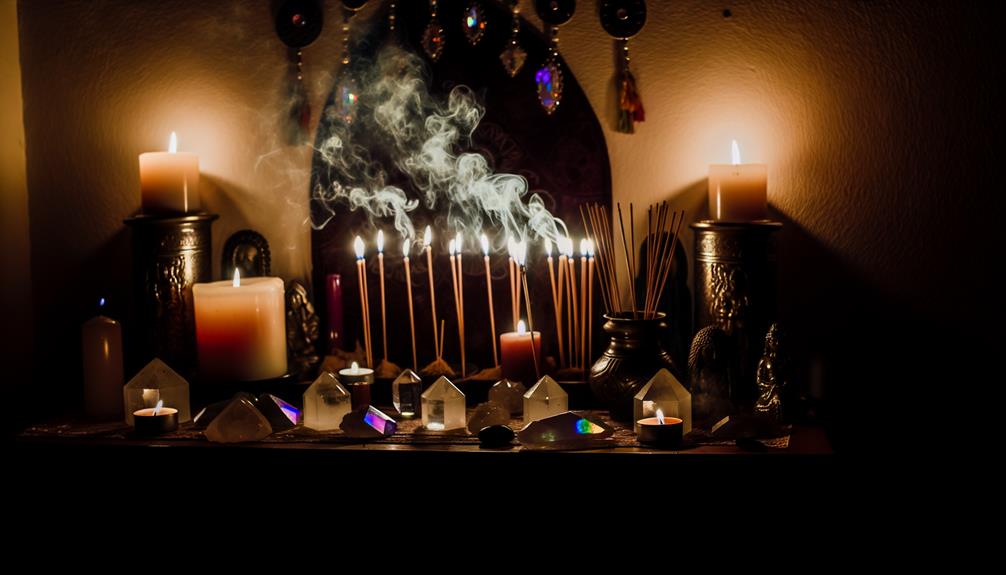
Rituals and practices surrounding the burning of candles are rich with tradition and meaning, offering a pathway to spiritual connection and intention-setting.
Different cultures imbue specific colors with unique symbolic significance, enhancing the purposeful act of lighting a candle.
Whether for manifestation, meditation, or honoring sacred moments, these practices serve as a beacon of hope and a tool for personal transformation.
Candle Lighting Traditions
Across various cultures and religions, the act of lighting candles serves as a powerful ritual imbued with deep spiritual significance. This practice transcends mere tradition, offering a profound connection to the divine and the sacred.
The lighting of candles can signify numerous spiritual activities:
- Prayer and Meditation: Candles often accompany moments of reflection, creating a serene atmosphere conducive to connecting with one’s inner self or higher power.
- Remembrance and Honor: Lighting candles for the deceased serves as a tribute, keeping their memory alive and fostering a sense of continued presence.
- Celebration and Festivity: In many cultures, candle lighting is integral to joyous celebrations, symbolizing hope and new beginnings.
- Protection and Guidance: Candles are used in rituals to invoke protection, dispel negativity, and seek spiritual guidance.
Symbolic Color Meanings
The spiritual practice of candle lighting becomes even more profound when considering the symbolic meanings attributed to the colors of the candles used in various rituals and practices. Each hue carries its own unique energy and significance, offering practitioners a deeper connection to their spiritual intentions.
White candles symbolize purity and peace, creating a serene atmosphere for meditation.
Red candles, often linked with passion and strength, can be used to invoke courage.
Green candles represent growth and abundance, aligning with intentions of prosperity.
Blue candles foster tranquility and healing, while yellow candles enhance clarity and wisdom.
Intentions and Manifestations
In the domain of spiritual practices, the act of lighting candles with specific intentions can serve as a powerful conduit for manifestation and transformation.
This ritual is imbued with profound significance, helping individuals focus their energy and align with their deepest desires.
When performed with mindfulness and sincerity, candle lighting rituals can enhance spiritual growth and personal empowerment.
To deepen your practice, consider the following steps:
- Set a Clear Intention: Define what you wish to manifest or transform.
- Choose the Right Candle: Select a candle color that aligns with your intention.
- Meditate and Visualize: Spend a moment visualizing your intention as you light the candle.
- Express Gratitude: Conclude the ritual by expressing gratitude for the manifestation.
These steps can bring clarity, purpose, and fulfillment to your spiritual journey.
Colors and Their Meanings
Understanding the meanings behind the colors of burning candles can greatly enhance one’s spiritual practice, providing deeper insight and personal connection. Each hue carries its unique vibration, symbolizing different aspects of the spiritual journey.
White candles signify purity and protection, promoting peace and spiritual strength.
Red candles embody passion, courage, and energy, often used for grounding and motivation.
Blue candles resonate with tranquility and healing, aiding in emotional balance and communication.
Green candles attract growth and prosperity, fostering renewal and abundance.
Yellow candles symbolize clarity and wisdom, enhancing focus and intellect.
Candle Meditation Techniques
For those seeking to deepen their meditation practice, candle meditation techniques offer a focused and serene method for achieving inner peace and heightened awareness.
By concentrating on the gentle flicker of a candle flame, practitioners can quiet their minds and connect more profoundly with their inner selves.
Here are four steps to enhance your candle meditation experience:
- Preparation: Find a quiet space, light a candle, and sit comfortably.
- Focus: Gaze softly at the flame, allowing your thoughts to settle.
- Breathing: Synchronize your breath with the candle’s movement, inhaling and exhaling slowly.
- Reflection: After meditating, close your eyes and reflect on the sensations and insights experienced.
These steps can help cultivate a deeper sense of calm and clarity.
Manifestation and Intentions
Harnessing the power of candlelight for manifestation and setting intentions can be a transformative practice, aligning one’s energy with their deepest desires and aspirations.
Lighting a candle with a clear intention serves as a physical representation of one’s goals, creating a focused environment where thoughts and energies converge. The flame acts as a beacon, guiding one’s subconscious mind towards realizing these dreams.
By choosing specific colors and scents, one can further enhance this ritual, each element contributing to the desired outcome. This process not only amplifies the manifestation but also fosters a deep sense of connection and purpose.
Through mindful candle rituals, individuals can find clarity, empowerment, and a renewed sense of direction in their spiritual journey.
Conclusion
The study of burning candles reveals profound layers of historical, cultural, and spiritual significance.
Particularly, the National Candle Association reports that 70% of candle purchasers use candles for stress reduction and ambiance. This statistic underscores the enduring human desire for tranquility and meaning through simple, ritualistic practices.
Understanding the multifaceted symbolism and diverse applications of candles can inspire deeper appreciation and intentionality in everyday life, fostering a greater sense of peace and spiritual connection.