Spiritual Meaning of Knee Pain: Pride and Flexibility
Knee pain in the spiritual domain often reflects an inner resistance to moving forward in life, manifesting emotional blockages and a struggle to adapt to change. It can symbolize difficulties with flexibility, humility, and the need for support and stability in relationships.
These sensations urge introspection to release buried emotions, fostering personal growth and resilience. Awareness and compassionate acknowledgment of these tensions can pave the way for holistic healing.
Understanding these connections reveals deeper insights into one’s emotional and spiritual journey. To explore the roots and remedies of this spiritual challenge, consider the intricate interplay of mind, body, and spirit.
Spiritual Meaning of Knee Pain: Ego, Surrender, and Life Flexibility
| Symbolism Aspect | Spiritual Meaning |
|---|---|
| Ego and Pride | Reflects difficulty in humbling oneself or letting go of control |
| Resistance to Change | Indicates unwillingness to adapt or move forward spiritually |
| Lack of Flexibility | Symbolizes emotional or mental rigidity in beliefs or actions |
| Surrender Issues | Suggests challenges in trusting or submitting to divine timing |
| Spiritual Growth Block | Pain may arise when spiritual progress is resisted or stalled |
Symbolism of Knee Pain
Knee pain often symbolizes a profound resistance to moving forward in life, reflecting an inner struggle with flexibility and humility.
This physical manifestation may indicate an individual’s difficulty in bending to new circumstances or accepting necessary changes.
The knees, being pivotal joints, represent our ability to adapt and support our journey.
When pain arises, it can serve as a gentle reminder to evaluate where we may be holding onto rigid beliefs or resisting growth.
By fostering self-awareness and compassion, we can begin to address these underlying issues.
Engaging in practices that promote emotional release and physical healing can guide us toward a harmonious balance, allowing us to move forward with grace and strength.
Emotional Blockages
Emotional blockages such as repressed trauma and fear of change can manifest as knee pain, symbolizing an internal struggle that needs gentle attention.
These unresolved emotions may hinder our ability to move forward in life, both physically and spiritually.
Repressed Emotional Trauma
Often stemming from deep-seated emotional blockages, repressed emotional trauma can manifest physically as knee pain, signaling a need for emotional healing and release.
The knees, symbolically associated with flexibility and support, may become a repository for unresolved grief, fear, or anger. These buried emotions can create tension and discomfort, urging us to acknowledge and address the underlying issues.
By tuning into our inner selves and recognizing the emotional roots of our physical pain, we open pathways for healing. Practices such as journaling, meditation, or seeking professional therapy can facilitate the release of these pent-up emotions.
Embracing this process with compassion and patience allows for profound emotional and physical transformation, fostering greater well-being and resilience.
Fear of Change
Acknowledging and addressing repressed emotional trauma can naturally lead us to confront another significant emotional obstacle: the fear of change. This fear, deeply rooted in our psyche, often manifests as knee pain, symbolizing our resistance to move forward in life.
The knees, representing flexibility and mobility, become the battleground for our reluctance to embrace new experiences or shifts. By intuitively exploring these blockages, we can uncover underlying anxieties and self-limiting beliefs that inhibit growth.
Healing begins with understanding that change, though intimidating, is a natural part of our spiritual journey.
Embracing this shift with compassion allows us to release the emotional tension stored in our knees, fostering a path toward holistic well-being and personal transformation.
Knees and Flexibility
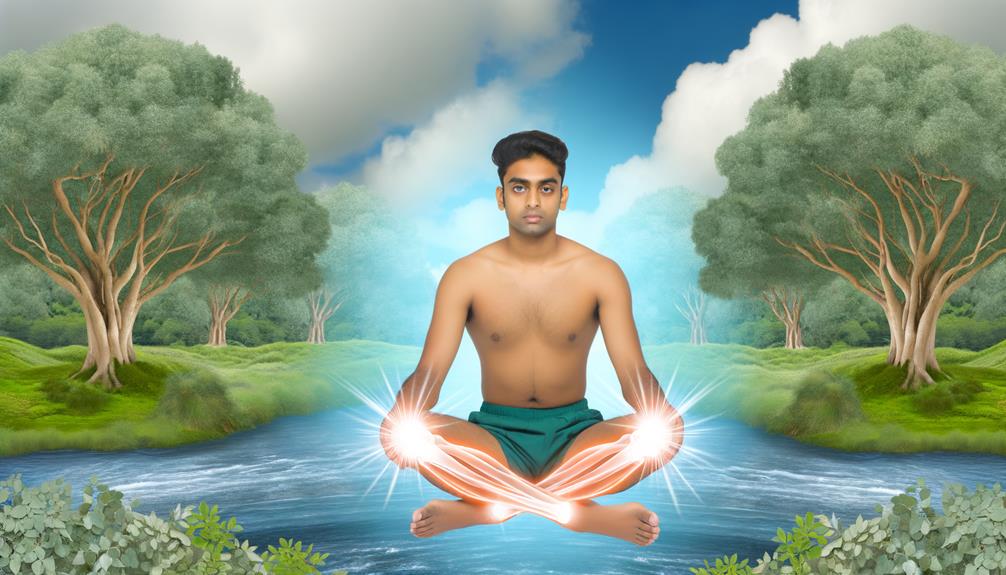
The knees, serving as pivotal points of flexibility, can symbolically reflect one’s ability to adapt and move through life’s challenges with grace and resilience.
When we experience knee pain, it may indicate a resistance to change or an inability to navigate new paths with ease.
Just as our physical knees allow us to bend and shift directions, our spiritual and emotional flexibility is essential for personal growth.
Embracing this flexibility can lead to a more harmonious existence, where we flow with life rather than against it.
Humility and Knees
Embracing humility through the symbolism of our knees can serve as a powerful catalyst for spiritual growth and inner peace. Kneeling is a universal gesture of surrender and respect, signaling our willingness to let go of ego and embrace a higher wisdom.
When we experience knee pain, it may be an intuitive cue to explore areas where humility is needed.
Reflecting on this can offer:
- Self-Awareness: Recognize moments where pride may obstruct personal development.
- Compassion: Cultivate empathy for oneself and others by acknowledging human vulnerability.
- Acceptance: Embrace life’s challenges with grace, fostering a deeper sense of peace.
Understanding these aspects can guide us toward healing, encouraging a harmonious relationship with our inner selves and the world around us.
Resistance to Change
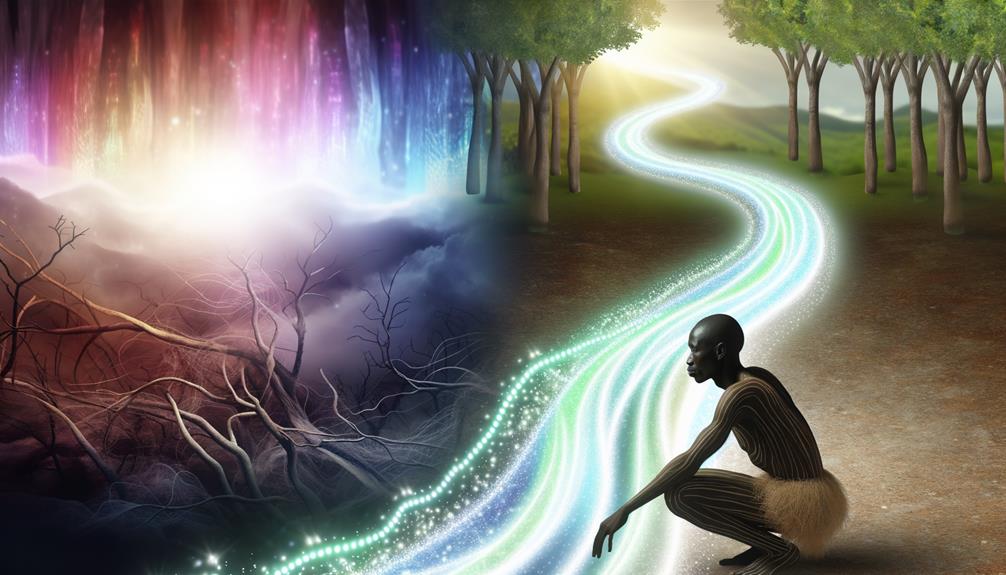
When knee pain emerges, it may signify a deeper resistance to change, urging us to examine areas of our lives where we are clinging to old patterns. This discomfort can serve as a gentle nudge from the universe, inviting us to reflect on the ways in which we resist growth and transformation.
Often, the fear of the unknown or a reluctance to let go of familiar, yet outdated, behaviors can manifest physically. By tuning into this intuitive signal, we can begin to identify and release the emotional and mental blocks holding us back.
Embracing change with an open heart allows for healing, not just of the knee, but of the spirit, fostering a more harmonious and fulfilled existence.
Support and Stability
A key aspect of understanding knee pain lies in recognizing its connection to our need for support and stability in life. The knees, both physically and spiritually, serve as vital pillars that bear our weight and allow us to move forward.
When we experience knee pain, it might signal an underlying struggle with feeling supported or stable.
To gain insight, consider these points:
- Relationships: Are you receiving adequate support from those around you, or do you feel burdened by carrying others’ weight?
- Life Balance: Is there an imbalance in your life, perhaps between work and personal time, that undermines your stability?
- Self-Support: Are you nurturing yourself enough, or are self-critical tendencies eroding your inner foundation?
Reflecting on these areas can offer profound understanding and comfort.
Healing Through Awareness
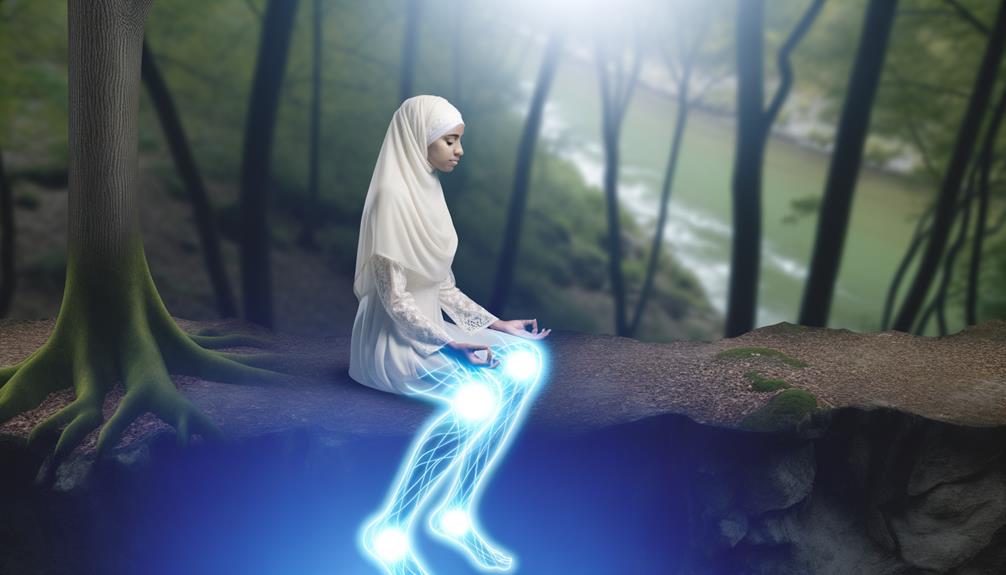
Cultivating a deep awareness of both our physical sensations and emotional states can serve as the first step towards healing knee pain from a spiritual perspective. By tuning into the subtle messages our bodies convey, we can uncover underlying emotional tensions or unresolved conflicts contributing to our discomfort.
This practice encourages us to listen to our knees with compassion, acknowledging any fears or insecurities they may symbolize. Embracing this self-awareness fosters a nurturing environment for emotional healing, which in turn can alleviate physical symptoms.
It is essential to approach this journey with patience and self-compassion, allowing ourselves the space to understand and address the deeper spiritual significance of our knee pain. Through awareness, we initiate a profound healing process.
Holistic Approaches
In addressing knee pain through holistic approaches, we recognize the profound connection between mind and body, emphasizing the role of emotional and mental wellbeing in physical health.
Natural pain relief methods such as acupuncture, herbal remedies, and meditation can offer gentle, supportive pathways to healing.
These practices align with intuitive guidance to foster a deeper sense of balance and harmony within.
Mind-Body Connection
Understanding the intricate link between our thoughts, emotions, and physical ailments, like knee pain, can offer profound insights into holistic healing approaches.
When we acknowledge the mind-body connection, we can begin to address knee pain from a more thorough perspective. Emotional stress, unresolved trauma, and persistent negative thoughts can manifest as physical discomfort.
To foster healing, consider these practices:
- Mindfulness Meditation: Regular practice can help reduce stress, promoting overall well-being.
- Emotional Release Techniques: Methods like journaling or therapy can assist in releasing pent-up emotions that may contribute to pain.
- Positive Affirmations: Reprogramming negative thought patterns with positive statements can enhance emotional and physical health.
Natural Pain Relief
Exploring natural pain relief methods, such as herbal remedies and acupuncture, can offer a gentle yet effective approach to alleviating knee pain. These holistic approaches honor the body’s innate ability to heal and provide a compassionate path to recovery.
Herbal remedies like turmeric and ginger possess anti-inflammatory properties that can soothe discomfort, while acupuncture targets specific energy points to restore balance and reduce pain.
By integrating these practices, one can address not just the physical symptoms, but also the underlying emotional and spiritual imbalances contributing to knee pain. This thorough approach fosters a deeper connection with one’s body, promoting a well-rounded healing experience.
Through these methods, individuals can find relief and a renewed sense of harmony.
Conclusion
Ironically, while knee pain may physically immobilize the body, it often serves as a profound impetus for emotional and spiritual liberation.
The symbolism of knees entwined with humility, flexibility, and stability underscores a complex interplay of resistance and acceptance.
An awareness of these psycho-spiritual dimensions invites opportunities for holistic healing.
Consequently, what appears as a bodily ailment may, in fact, guide one towards deeper self-awareness and transformative change.
Healing, it seems, is an intricate dance between pain and enlightenment.