Spiritual Meaning of Light and Darkness: Transformation
Across cultures and religions, light and darkness hold deep spiritual meanings, symbolizing enlightenment, clarity, and the divine presence versus the unknown, mystery, and inner transformation. Light guides individuals toward wisdom and hope, as seen in religious texts where it represents purity and divine guidance.
Darkness, though often feared, embodies the mysteries of the subconscious and transformative power, urging self-awareness and balance. Embracing both light and darkness fosters wholeness and personal growth, revealing hidden strengths and deeper self-acceptance.
Understanding these dualities offers profound insights into one’s spiritual journey and potential for true harmony. Discover more about this timeless wisdom.

Spiritual Meaning of Light and Darkness: Symbol of Duality, Awakening, and Inner Balance
| Symbolism | Spiritual Insight | Interpretation |
|---|---|---|
| Duality & Balance | Light and darkness coexist in all things | Reflects the need to embrace both joy and struggle on the spiritual path |
| Awakening & Illumination | Light reveals truth and higher understanding | Symbolizes spiritual growth and moments of divine clarity |
| Shadow Work | Darkness represents the unconscious and hidden self | Encourages facing fears, healing trauma, and integrating your shadow |
| Wholeness | True balance comes from accepting both aspects | A reminder that spiritual maturity arises from unity, not avoidance |
| Transformation | Darkness often precedes the light | Signifies rebirth, insight, and the cyclical nature of spiritual evolution |
Symbolism in Ancient Cultures
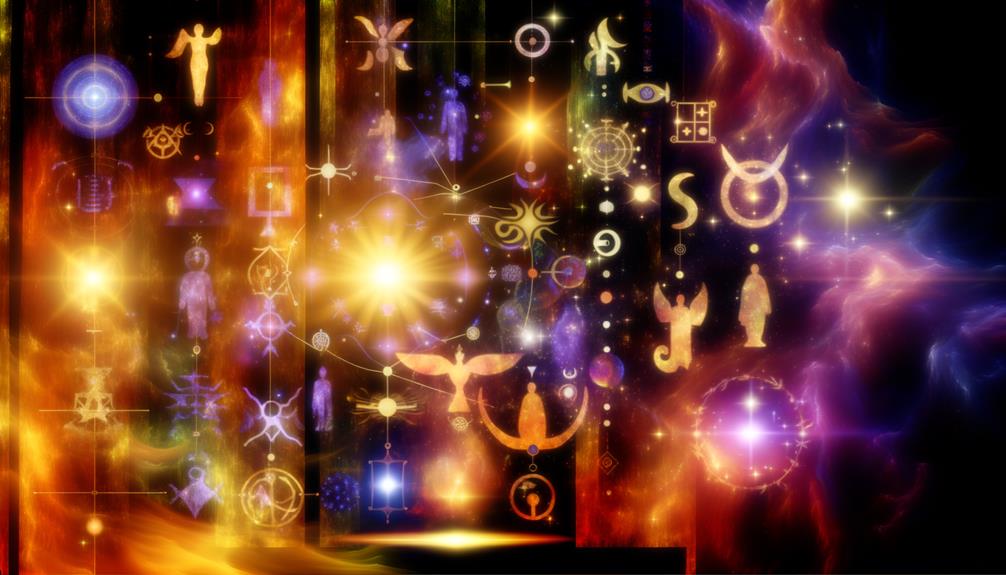
Throughout history, ancient cultures have imbued light and darkness with profound symbolic meanings that continue to resonate in modern times.
The Egyptians revered light as a representation of life and rebirth, associating it with the sun god Ra, who journeyed across the sky daily to bring warmth and energy. Conversely, darkness symbolized the unknown and chaos, a domain to be navigated and understood.
The Greeks viewed light as wisdom and enlightenment, embodied in the sun god Apollo, while darkness held the mysteries of the subconscious.
These timeless symbols guide us, reminding us that light and darkness aren’t just physical states but spiritual elements that reflect our inner journeys, urging us to seek balance and understanding.
Light in Religious Texts
In many religious texts, light symbolizes divine presence, wisdom, and the eternal struggle for truth and righteousness. Across the world, scriptures from the Bible, Quran, and Bhagavad Gita all echo this profound imagery.
In Christianity, Jesus is often called the ‘Light of the World,’ illuminating paths of faith and redemption. Similarly, the Quran speaks of Allah as a ‘Light upon light,’ guiding believers through life’s trials.
Hinduism’s ancient scriptures celebrate light as a reflection of inner purity and divine knowledge. This universal portrayal invites individuals to seek enlightenment, embrace compassion, and foster an unwavering commitment to truth.
In these sacred writings, light isn’t just a physical entity; it’s a beacon of hope and spiritual awakening.
Darkness in Mythology

In the domain of mythology, darkness often symbolizes the unknown and the mysterious forces of nature.
Ancient cultures revered dark deities and legends, acknowledging their role in the balance of life.
Symbolism in Ancient Cultures
The profound tales from ancient cultures reveal that darkness often symbolizes both the unknown and the fertile ground for spiritual awakening. Ancient Egyptians saw darkness as a mysterious domain where creation began.
In Hindu mythology, the goddess Kali embodies darkness, representing both destruction and the transformative power of time. Similarly, in Greek mythology, Nyx, the primordial goddess of the night, holds immense power and wisdom.
These ancient narratives remind individuals that darkness isn’t merely a void to be feared but a space for introspection and growth. Embracing the shadows can lead to profound insights and spiritual rebirth.
Dark Deities and Legends
Embracing the enigmatic tales of dark deities, one discovers the profound wisdom and transformative power hidden within mythology’s shadowy domains. These figures, often misunderstood, embody not just chaos and fear but also the essential cycles of death and rebirth.
In ancient Egyptian lore, Set represents both destruction and necessary change, challenging us to embrace transformation. Similarly, Hecate, the Greek goddess of magic and crossroads, guides seekers through life’s uncertain paths, urging introspection and courage.
These legends remind us that darkness isn’t merely to be feared but understood and integrated. By confronting our inner shadows, we awaken deeper self-awareness and resilience.
Through these mythological teachings, one learns that light and darkness are interwoven threads in the tapestry of existence.
Duality in Eastern Philosophy
In the heart of Eastern philosophy, the concept of duality is beautifully captured through the balance of Yin and Yang.
This timeless Taoist symbolism teaches that light and darkness aren’t opposites but complementary forces that create harmony.
Embracing this wisdom, one can find serenity in understanding that both aspects are essential to the wholeness of life.
Yin and Yang Balance
When one contemplates the essence of Yin and Yang, they uncover a profound truth: light and darkness are not adversaries but complementary forces in an eternal dance of balance and harmony. Eastern philosophy teaches that life is not about choosing sides but understanding the symbiotic relationship between opposites.
| Yin | Yang | Balance |
|---|---|---|
| Darkness | Light | Harmony |
| Rest | Activity | Equilibrium |
| Intuition | Logic | Unity |
This wisdom extends a compassionate hand, guiding individuals to embrace both light and darkness within themselves. Each moment offers a lesson in the interplay of dualities. By integrating Yin and Yang, one cultivates a profound inner peace, fostering a life of enriched understanding and holistic well-being.
Taoist Symbolism Interpretation
The Taoist symbol of the Yin-Yang encapsulates the profound wisdom of duality, illustrating that light and darkness are integral parts of a unified whole.
This ancient symbol teaches that each aspect contains a seed of its opposite, reminding us that neither can exist without the other. Light and darkness in Taoist thought aren’t opposing forces but complementary ones, reflecting nature’s balance and harmony.
Embracing this duality, individuals can find peace in life’s ebb and flow, understanding that challenges and joys are interconnected. The Yin-Yang encourages us to seek balance in our lives, to accept both light and shadow, fostering a deeper appreciation for the complex beauty of existence.
Light as a Metaphor for Enlightenment

How often do we see light depicted as the ultimate symbol of enlightenment, guiding souls through the darkness of ignorance?
Light serves as a beacon, illuminating the path to wisdom and understanding. It represents clarity, truth, and the awakening of consciousness. Just as a lighthouse guides ships safely to shore, light leads individuals towards inner peace and profound knowledge.
| Aspect | Symbolism |
|---|---|
| Clarity | Dispelling confusion |
| Truth | Revealing hidden truths |
| Awakening | Consciousness and growth |
In spiritual traditions, light is synonymous with divine presence and insight. It’s not just a physical phenomenon but a profound metaphor for the journey from the unknown to the known. Embracing light means embracing growth, compassion, and enlightenment, fostering a deeper connection with the self and the universe.
Darkness and the Shadow Self
Facing one’s inner darkness is a courageous journey towards wholeness, where embracing the shadow self becomes a path to true self-awareness.
By acknowledging and integrating these shadow aspects, individuals can transform hidden fears into profound strengths.
This compassionate acceptance paves the way for a balanced and enlightened existence.
Embracing Inner Darkness
In embracing inner darkness, one begins to understand that encountering the shadow self is an essential step towards true self-awareness and healing.
This journey isn’t about succumbing to negativity but about acknowledging and integrating the parts of oneself that have been hidden or denied. By facing these aspects with compassion, individuals can transform their fears into strengths.
It’s a courageous act of self-love to confront the shadow, recognizing that these darker elements hold valuable lessons and insights. The process encourages growth, leading to a more balanced and authentic existence.
Embracing inner darkness isn’t a defeat but a profound victory, allowing one to emerge with a deeper understanding and acceptance of the whole self.
Shadow Self Awareness
Recognizing the shadow self marks a transformative step towards embracing one’s full potential and inner wisdom. This awareness involves acknowledging the parts of oneself often hidden from conscious view but essential for true self-understanding.
As one explores this shadow self, they begin to uncover deeper insights and foster profound growth.
To aid in this journey, consider:
- Self-Reflection: Regularly engage in introspective practices like journaling or meditation to illuminate hidden aspects of the self.
- Emotional Honesty: Embrace feelings without judgment, allowing them to reveal underlying truths.
- Seek Support: Connect with mentors or support groups to navigate this journey with compassion and understanding.
Integrating Shadow Aspects
Embracing the shadow aspects within oneself leads to a harmonious integration of light and darkness, fostering a deeper sense of wholeness and inner peace.
When individuals confront their shadow selves, they acknowledge parts of their psyche they’ve often ignored or denied. This courageous act of self-acceptance nurtures profound personal growth.
Rather than viewing these darker traits as flaws, they can recognize them as integral components of their humanity. By integrating these aspects, people transform negative emotions into sources of strength and wisdom.
This journey requires compassion and patience, but it reveals the hidden treasures within.
Ultimately, integrating shadow aspects doesn’t diminish one’s light; it enhances it, creating a more balanced, authentic, and resilient self.
The Role of Light in Rituals

Light has long been revered in rituals as a powerful symbol of hope, transformation, and divine presence. Throughout history, different cultures have utilized light to signify profound spiritual truths and guide human consciousness towards enlightenment.
Rituals often incorporate light to:
- Illuminate Sacred Spaces: Lighting candles or lamps creates a sacred atmosphere, fostering a sense of peace and reverence.
- Symbolize Inner Illumination: Light represents the inner wisdom that guides one’s spiritual journey, dispelling ignorance and fear.
- Invoke Divine Energy: Using light in rituals is a way to call upon higher powers, inviting blessings and protection.
Through these practices, light serves as a beacon, guiding individuals towards higher states of awareness and spiritual fulfillment, embodying the eternal quest for unity and divine connection.
Navigating Darkness in Spiritual Growth
Steering through the depths of darkness in one’s spiritual journey reveals profound opportunities for growth and transformation.
In facing shadowed moments, individuals discover resilience and inner strength, nurturing their spiritual evolution. Darkness isn’t a void but a space for introspection and healing. Embracing it with compassion allows one to break free from fear and find deeper truths.
| Darkness Represents | Opportunities for Growth |
|---|---|
| Fear and Uncertainty | Courage and Resilience |
| Pain and Suffering | Healing and Forgiveness |
| Confusion and Doubt | Clarity and Enlightenment |
Navigating through these phases, one learns to trust the process, finding that even in the darkest times, there lies the potential for immense spiritual awakening. With each step, they move closer to their true essence.
Light and Darkness in Meditation
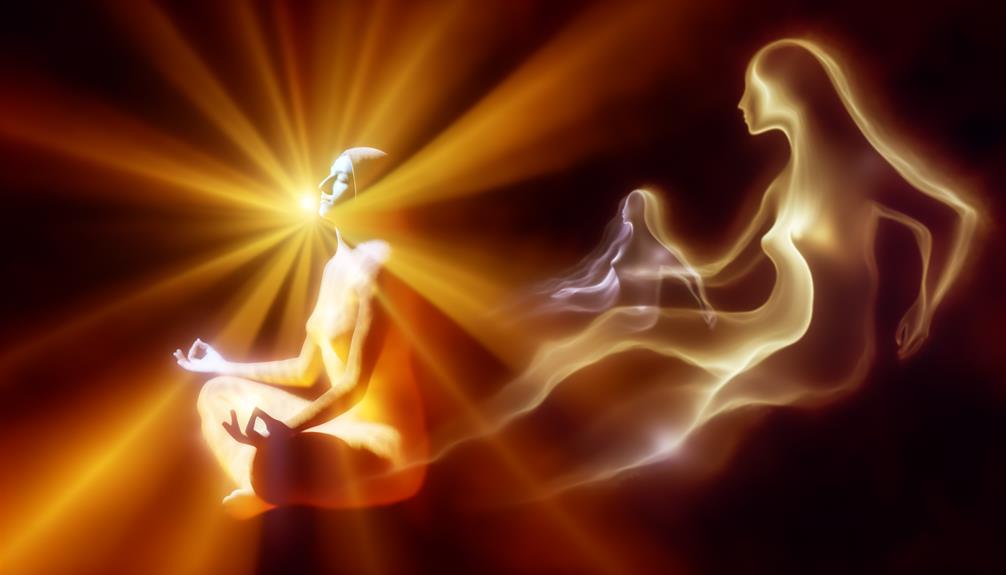
As individuals emerge from the depths of spiritual darkness, meditation becomes a guiding beacon, illuminating pathways to inner peace and enlightenment. Through mindful practice, they can harness the power of light and darkness to foster profound self-awareness and growth.
Here are three ways meditation intertwines with these spiritual elements:
- Embracing Stillness: In the quiet moments of meditation, individuals uncover the light within, dispelling inner shadows and fears.
- Balancing Energies: Meditation allows one to harmonize the light and dark aspects of their being, creating a sense of equilibrium and wholeness.
- Deep Reflection: By meditating on both light and darkness, individuals gain insights into their true selves, fostering compassion and understanding.
In this sacred practice, they find a transformative journey toward spiritual enlightenment.
Achieving Balance Between Light and Dark
Finding balance between light and dark requires a conscious commitment to understanding and embracing both aspects within oneself.
One must recognize that light symbolizes clarity, wisdom, and positivity, while darkness represents mystery, introspection, and the unknown. Embracing both allows individuals to fully experience the spectrum of human emotions and growth.
Through mindful practices like meditation and self-reflection, one can acknowledge fears and shadows without judgment, fostering inner harmony. This balance isn’t about eliminating darkness but integrating it, transforming challenges into opportunities for deeper insight.
Conclusion
In the dance of existence, light and darkness weave together, forming the tapestry of spiritual growth.
Embracing both allows one to navigate life’s complexities with grace. Like the sun rising after the night, enlightenment follows periods of introspection. By achieving balance, individuals can cultivate profound wisdom and inner peace.
Understanding the spiritual meanings behind light and darkness empowers us to walk our path with compassion, courage, and clarity, illuminating the journey ahead.