Cutting Down a Tree Spiritual Meaning: Endings and Renewal
Cutting down a tree holds significant spiritual meaning, reflecting the end of a chapter and the start of new beginnings. Trees symbolize strength and growth, so their removal can evoke deep emotions, including loss and transformation.
Many cultures view trees as sacred beings and conduct rituals to honor their spirits before felling them. This act prompts reflection on the interconnectedness of life, death, and renewal.
Alongside the practical necessity, it carries emotional weight, symbolizing the release of old patterns and the anticipation of new growth. Exploring this further will touch on cultural rituals and personal insights.
Spiritual Meaning of Cutting Down a Tree: Symbol of Endings, Release, and Conscious Transformation
| Symbolism | Spiritual Insight | Interpretation |
|---|---|---|
| Endings & Closure | The tree’s life is intentionally brought to an end | Represents the conclusion of a phase or the need to release something deeply rooted |
| Letting Go | Detachment from what was once grounded | Encourages surrender of outdated beliefs, habits, or relationships |
| Space for Renewal | Clearing opens space for something new | Symbolizes creating energetic room for transformation and fresh beginnings |
| Conscious Action | Unlike natural death, it’s a deliberate choice | Reflects empowerment, awareness, and spiritual decision-making |
| Respect for Life Cycles | Reminds us of nature’s impermanence | A call to honor natural rhythms and flow with spiritual timing |
Symbolism of Trees
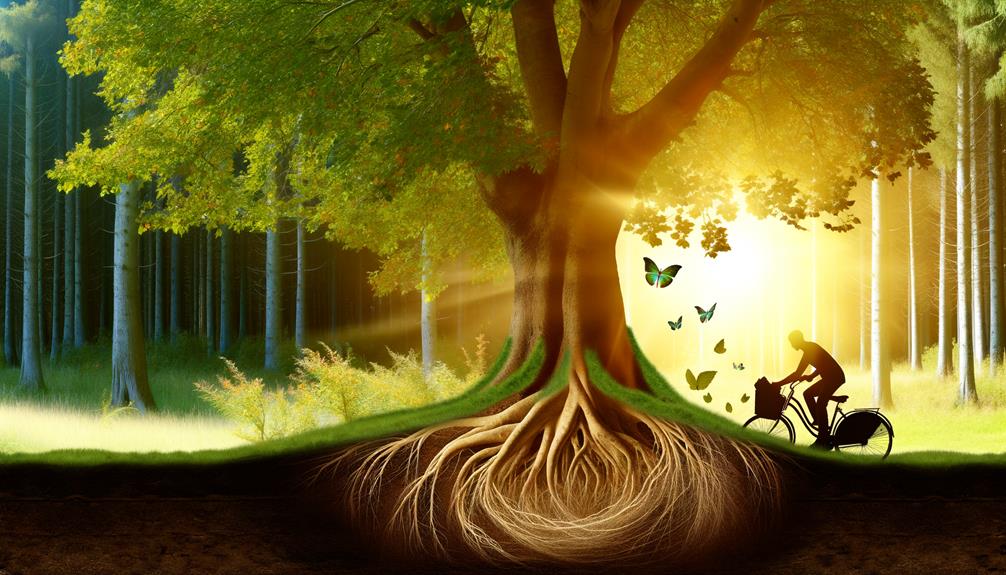
Trees have long symbolized strength, growth, and connection to the natural world. Their towering presence and deep roots evoke a sense of resilience and stability, qualities that many admire and seek.
Trees grow slowly, often over decades or centuries, embodying patience and the gradual accumulation of wisdom. They provide shelter, food, and oxygen, highlighting their role as life-givers and sustainers.
Observing a tree’s life cycle—from seed to towering giant—reminds one of life’s enduring cycles and interconnectedness.
When a tree is cut down, it can feel like severing a link to these profound qualities. Understanding the symbolism of trees helps appreciate their spiritual significance and the deep sense of loss that can accompany their removal.
Cultural Perspectives
Across different cultures, the act of cutting down a tree often carries profound spiritual and emotional implications, reflecting varied beliefs and traditions. For many, trees symbolize life, connection to ancestors, and sacred spaces. Cutting one down isn’t just a physical act but a deeply symbolic one.
- Indigenous Cultures: Trees are viewed as living beings, embodying spirits and wisdom. Felling a tree may require rituals to honor its spirit.
- Eastern Traditions: In places like Japan, trees represent longevity and harmony. Removing a tree can disturb the balance with nature.
- Western Perspectives: While often seen through a utilitarian lens, there’s growing recognition of trees’ spiritual significance, leading to more mindful approaches.
Each perspective reveals a unique interplay between humanity and nature.
Personal Transformation

When someone cuts down a tree, it often mirrors a profound personal transformation, symbolizing the end of one chapter and the beginning of another.
This act can signify letting go of old beliefs, habits, or relationships that no longer serve their growth. It’s a conscious decision to remove obstacles, making space for new opportunities and self-discovery.
Reflecting on this, one might feel a mix of emotions—relief, sadness, or anticipation. These feelings are natural and part of the journey.
This process can be broken down into three key stages:
| Stage | Symbolism | Emotion |
|---|---|---|
| Decision | End of old patterns | Relief |
| Action | Removal of obstacles | Sadness |
| Aftermath | New beginnings | Anticipation |
Understanding these stages helps individuals embrace change with compassion and clarity.
Communal Impact
The act of cutting down a tree reverberates through the community, often symbolizing collective shifts and shared transformations. It’s an event that can evoke deep reflection and emotional responses among community members.
This shared experience can lead to:
- Collective Mourning: The loss of a tree, especially a venerable one, unites people in grief, fostering a sense of shared history and loss.
- Unified Action: Communities often rally together, either to protest the cutting or to plant new trees, exemplifying solidarity and a common purpose.
- Cultural Reflection: The event prompts communal introspection on cultural values and priorities, encouraging discussions about stewardship and heritage.
These impacts highlight how deeply interconnected individuals are within their communal environment, reinforcing the significance of collective experiences and actions.
Environmental Significance

Cutting down a tree greatly impacts the ecosystem, disrupting habitats and altering local climate conditions.
Trees provide shelter and food for numerous species, and their removal forces animals to relocate or perish. They also play an essential role in regulating temperature and moisture levels, and their absence can lead to increased soil erosion and flooding.
Additionally, trees absorb carbon dioxide, helping combat climate change. Without them, carbon levels rise, exacerbating global warming. A single tree’s loss reverberates through the environment, affecting biodiversity and ecosystem stability.
Protecting trees isn’t just an environmental responsibility; it’s a spiritual one, acknowledging our interconnectedness with nature and working to maintain a harmonious balance within the natural world.
Rituals and Traditions
Many cultures around the world hold deep-rooted rituals and traditions surrounding the act of cutting down a tree, reflecting a profound respect for nature’s life force. These practices often aim to honor the tree and guarantee harmony with the environment.
For example:
- Native American Blessings: Before felling a tree, some Native American tribes perform a blessing ceremony to show gratitude and seek permission from the tree spirit.
- Japanese Shinto Practices: In Shinto traditions, rituals known as ‘Jinja’ involve purifying the tree and the site, acknowledging the tree’s sacredness.
- Celtic Offerings: The Celts would offer gifts to the tree and the earth as a sign of respect and to maintain balance in nature.
Through these rituals, communities build a deeper connection with their surroundings.
Emotional Responses
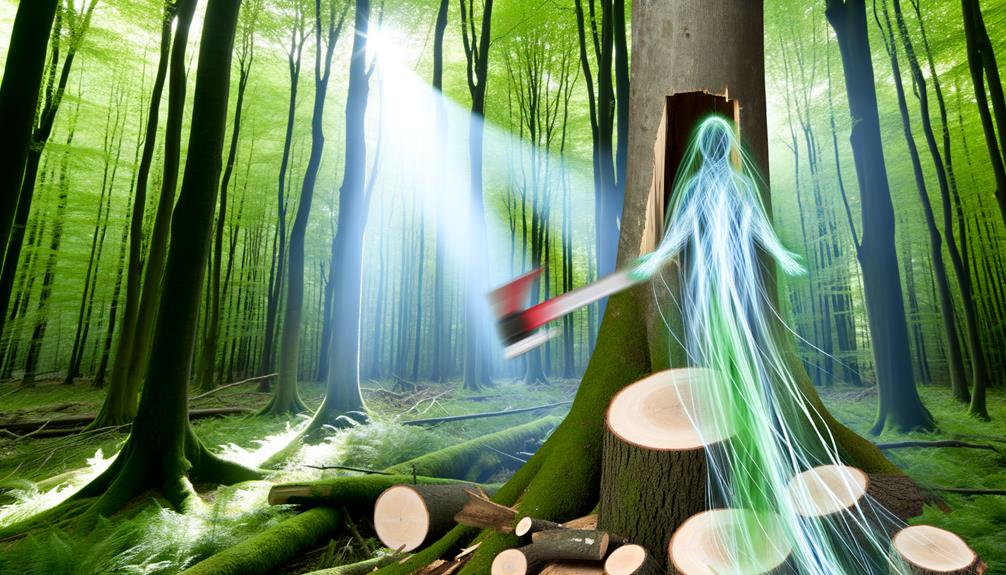
When someone cuts down a tree, they often experience a profound sense of loss and inner conflict, reflecting the deep connection humans have with nature.
This act can evoke feelings of guilt and sadness, yet it might also bring about a sense of relief and release, especially if the tree posed a danger or represented a difficult past.
Understanding these emotional responses helps in comprehending the broader spiritual implications of such a significant action.
Sense of Loss
Experiencing the removal of a tree often brings a profound sense of loss, as people may feel they’re parting with a living entity that held personal or spiritual significance.
This emotional response can be multifaceted, encompassing memories, connections, and a sense of stability. For many, trees symbolize continuity and growth, making their absence deeply felt.
Consider the following aspects of this loss:
- Memory Anchor: Trees often serve as living markers of personal milestones or family memories.
- Spiritual Connection: Some view trees as sacred beings, embodying nature’s wisdom and energy.
- Environmental Loss: The removal of a tree can disrupt the harmony of the ecosystem and diminish natural beauty.
These elements collectively contribute to the emotional depth of this experience.
Inner Conflict
Individuals often grapple with an inner conflict when a tree is cut down, torn between practical necessities and their emotional attachment to the tree. This conflict stems from the tree’s dual role as both a functional asset and a symbol of nature’s beauty and resilience.
They may feel guilt for prioritizing human needs over the tree’s life, questioning whether the decision was truly necessary. Memories tied to the tree can heighten these emotions, as it may have been a silent witness to significant moments.
This struggle can evoke a profound sense of empathy for the natural world, compelling individuals to reflect on their relationship with nature and their responsibilities toward it. Understanding this inner turmoil can foster deeper emotional awareness and growth.
Relief and Release
As the initial wave of inner conflict subsides, many discover a surprising sense of relief and release, acknowledging the end of a chapter and the beginning of a new one.
This emotional shift often brings clarity and a renewed sense of purpose. They realize that cutting down a tree can symbolize letting go of past burdens, making space for new growth.
To illustrate this transformation, consider the following:
- Cleansing Space: Removing the tree opens up physical and emotional space, encouraging fresh perspectives.
- Symbolic Closure: The act marks the conclusion of an old narrative, paving the way for new experiences.
- Emotional Renewal: It provides a profound sense of liberation, allowing individuals to move forward with a lighter heart.
These moments of release are deeply transformative.
Spiritual Lessons
Through the act of cutting down a tree, one can gain profound insights into the cycles of life, death, and renewal.
Observing a tree’s life from seed to towering presence teaches about growth, resilience, and eventual transformation.
The process reflects the natural ebb and flow of existence, reminding individuals that endings make way for new beginnings.
Conclusion
Cutting down a tree isn’t just an act; it’s a profound symbol that resonates on multiple levels. Across cultures and personal journeys, it mirrors transformation and communal shifts.
The environmental ripple effects remind us of our interconnectedness. Rituals and traditions tied to this act reveal deep spiritual lessons, inviting reflection.
As the tree falls, it whispers to humanity about growth, loss, and renewal—echoes of life’s continuous cycle. Ultimately, it’s a poignant reminder that every ending births a new beginning.