
High Blood Pressure Spiritual Meaning: Inner Tension
High blood pressure might symbolize deeper emotional and spiritual conflicts in your life. It often reflects accumulated stress and unprocessed feelings.
When your emotions are out of balance, it disrupts energy flow and impacts your inner peace. Your body is signaling the need for emotional healing and the release of pent-up tensions.
Recognizing this connection can help you address the root causes of hypertension through mindful practices like meditation and deep breathing. Embracing a holistic approach nurtures both your spirit and physical health, paving the way for deeper insights into overall well-being.
Discover more about harmonizing mind, body, and spirit.
High Blood Pressure Spiritual Meaning: Emotional Tension and Inner Imbalance
| Symbolism | Meaning |
|---|---|
| Emotional Suppression | Indicates bottled-up emotions or unexpressed anger |
| Inner Tension | Reflects ongoing stress and psychological pressure |
| Imbalance in Life Force | Suggests disruption in energy flow or spiritual misalignment |
| Resistance to Change | May symbolize fear of change or control issues |
| Call for Mindfulness | Encourages relaxation, meditation, and emotional awareness |
| Heart-Spirit Disconnect | Points to the need for heart-centered healing and reconnection |
Understanding High Blood Pressure
High blood pressure, often a silent condition, can greatly impact your overall well-being and spiritual harmony. When your blood pressure rises, it’s not just a physical issue; it reflects deeper, often hidden, stresses and anxieties.
You might feel constant pressure—both literally and metaphorically. This imbalance can block your energy flow, disrupting your inner peace. It’s crucial to understand that your body’s signals are a call to address emotional wounds and unresolved tensions. By acknowledging this, you take the first step toward healing.
Recognize the importance of nurturing both your physical health and your spiritual essence. Embrace practices that promote relaxation and emotional release, like meditation and mindfulness, to restore balance and harmony in your life.
The Mind-Body Connection
Recognizing the deep connection between mind and body, you’ll find that your emotional state profoundly influences your physical health, including your blood pressure.
When you embrace a holistic approach, you see how your thoughts and feelings affect your body. For instance, unresolved anger or chronic worry can trigger physiological responses, raising your blood pressure.
By nurturing emotional well-being, you’re not just caring for your mind but also your heart. Techniques like meditation, mindfulness, and positive affirmations can help balance your emotions and, in turn, stabilize your blood pressure.
Understanding this connection empowers you to take control, fostering both emotional and physical harmony. Remember, your mind and body are in constant dialogue, each reflecting the other’s state.
Emotional Stress and Health
Emotional stress can wreak havoc on your physical health, manifesting in conditions like elevated blood pressure. When you’re overwhelmed, your body’s natural response is to release stress hormones, which can constrict blood vessels and increase heart rate. This physiological reaction, if prolonged, directly impacts your cardiovascular system.
It’s essential to recognize that your emotions and thoughts aren’t isolated; they deeply influence your physical state.
Embracing a holistic approach, you can start to see how managing emotional stress through mindfulness, deep breathing, or meditation can lower blood pressure. By understanding this mind-body connection, you empower yourself to take proactive steps towards better health.
Spiritual Perspectives on Illness
By exploring spiritual perspectives on illness, you can uncover deeper insights into how your mind, body, and spirit are interconnected.
This holistic approach encourages you to see illness not just as a physical ailment but as an opportunity for emotional and spiritual growth.
When you view your body as a vessel for your spirit, each symptom becomes a message, urging you to reflect on your inner life.
High blood pressure, for example, might symbolize the need to release pent-up emotions or stress.
Recognizing this connection empowers you to address imbalances in your life.
Through meditation, mindfulness, and self-awareness, you can cultivate harmony, fostering healing and well-being from within. Embrace this journey to nurture both your physical and spiritual health.
Unresolved Conflicts and Blood Pressure
You mightn’t realize it, but unresolved conflicts can greatly impact your blood pressure.
Emotional stress can manifest physically, making inner peace essential for maintaining a healthy balance.
Emotional Stress Impact
Unresolved conflicts often manifest as emotional stress, which in turn can greatly influence your blood pressure levels.
When you harbor unresolved feelings, your body responds by releasing stress hormones, tightening blood vessels, and increasing your heart rate. This reaction is your body’s natural way of coping, but prolonged stress can cause lasting damage.
Here’s how emotional stress impacts blood pressure:
| Unresolved Conflict | Emotional Stress | Blood Pressure Impact |
|---|---|---|
| Family Disputes | Anxiety | Elevated Blood Pressure |
| Work Stress | Frustration | Hypertension Risk |
| Personal Loss | Grief | Blood Pressure Spikes |
Understanding this mind-body connection can guide you towards healthier ways to manage stress, promoting overall well-being.
Inner Peace Importance
Achieving inner peace becomes a powerful antidote to the physical strain caused by unresolved conflicts, as it fosters a harmonious balance in both mind and body.
When you let go of lingering emotional turmoil, your body responds with a decrease in stress hormones, which can lower blood pressure. It’s about creating a serene inner landscape where your mind can rest, free from the noise of past grievances.
You may find that practices like meditation, deep breathing, and mindfulness help you release pent-up emotions. By addressing and resolving these inner conflicts, you not only nurture your spiritual well-being but also promote a healthier cardiovascular system.
Embrace inner peace, and you may discover a profound transformation in your overall health.
Healing Through Self-Connection
To truly address high blood pressure, you need to embrace a deeper connection with yourself.
By fostering mind-body awareness and practicing inner peace techniques, you’ll find a path to healing that transcends physical symptoms.
This holistic approach encourages you to listen to your body’s signals and nurture your emotional well-being.
Mind-Body Awareness
Recognizing the profound connection between your mind and body can be a transformative step in healing high blood pressure.
By tuning into your inner self, you’ll start to understand how emotional stress and physical symptoms are intertwined. This awareness can help you identify triggers and craft personalized healing strategies.
Embracing mind-body awareness isn’t just about physical health; it means fostering a holistic approach where emotional well-being is equally prioritized.
- Mindfulness: Practice staying present to reduce stress.
- Emotional Release: Let go of pent-up emotions to alleviate tension.
- Breathing Exercises: Use breath to calm your nervous system.
These steps can guide you towards a balanced and harmonious state, promoting overall well-being.
Inner Peace Practices
Finding inner peace through self-connection means delving deep into your soul to uncover the roots of your emotional and physical well-being.
You start by embracing practices like meditation, journaling, and mindful breathing. These activities help you tune into your inner world, fostering a strong mind-body connection.
As you explore your emotions and thoughts, you release tension and uncover patterns that may contribute to high blood pressure.
Holistic Healing Practices
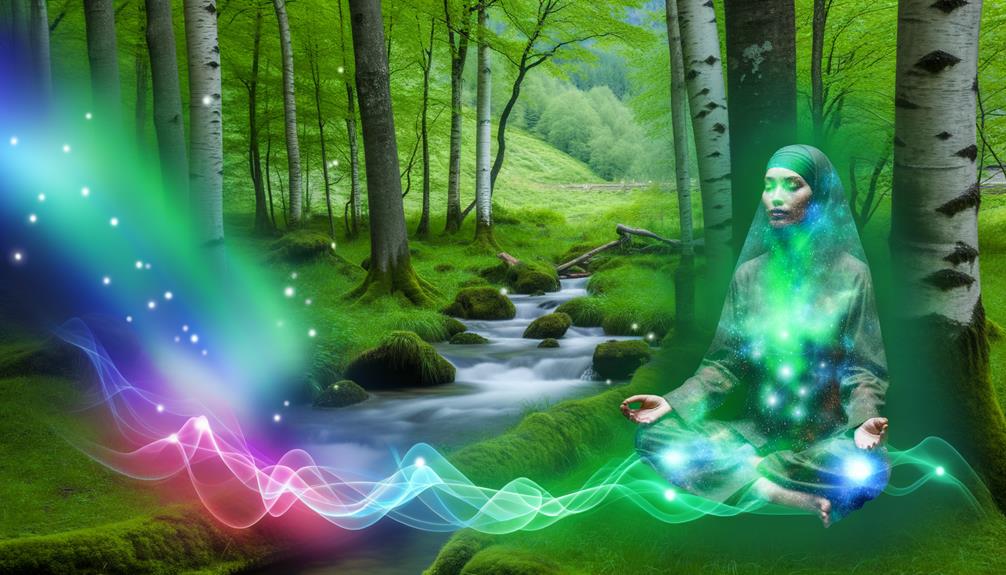
Exploring holistic healing practices can reveal profound connections between your emotional well-being and physical health.
Embracing a mind-body connection helps you understand how emotions like stress or anxiety might contribute to high blood pressure. By integrating holistic approaches, you can foster balance and harmony within yourself.
Consider these practices:
- Meditation: Calms the mind and reduces stress.
- Yoga: Enhances physical flexibility and mental clarity.
- Acupuncture: Stimulates energy flow and promotes healing.
These practices guide you to acknowledge and address emotional blockages that may manifest as physical symptoms. By paying attention to your inner landscape, you cultivate a deeper understanding of your health and well-being.
Fostering Inner Harmony
Cultivating inner harmony involves aligning your emotions, thoughts, and physical state to achieve a balanced and peaceful existence.
When you nurture this alignment, you’ll notice a reduction in stress, which can positively impact your blood pressure. Begin by practicing mindfulness and meditation to calm your mind.
| Mind | Body | Spirit |
|---|---|---|
| Meditation | Exercise | Gratitude |
| Positive Thinking | Healthy Diet | Connection |
| Journaling | Adequate Rest | Compassion |
Each element plays a crucial role. Meditation quiets the mind, while exercise releases tension from the body.
Embracing gratitude and compassion fosters a loving spirit. Your journey towards inner harmony will empower you to manage high blood pressure holistically, strengthening the mind-body connection and enhancing your overall well-being.
Conclusion
By embracing both modern medicine and spiritual wisdom, you can address high blood pressure holistically.
Just as unseen emotional stress can elevate your blood pressure, nurturing inner peace can restore balance.
Unresolved conflicts might weigh on your heart, but self-connection can light your path to healing.
In harmonizing mind, body, and spirit, you don’t just combat illness—you cultivate a life of holistic well-being and emotional insight. Trust in this interconnected journey for profound transformation.