
Spiritual Meaning of Jaw Pain: Unspoken Truths
Jaw pain holds a profound spiritual significance, often reflecting unresolved emotions, unspoken truths, or repressed anger. The jaw is essential for expression, and tension here can signal suppressed feelings or difficulties in communication.
Emotional blockages stemming from stress and anxiety frequently manifest as physical discomfort. Recognizing and addressing these inner conflicts through mindfulness, open dialogue, and holistic practices can lead to healing.
Techniques like journaling, breathwork, and meditation help release stored emotional energy, promoting overall well-being. By understanding the deeper connections between our emotions and physical symptoms, we take critical steps toward holistic health.
Explore further to uncover additional insights and paths to relief.
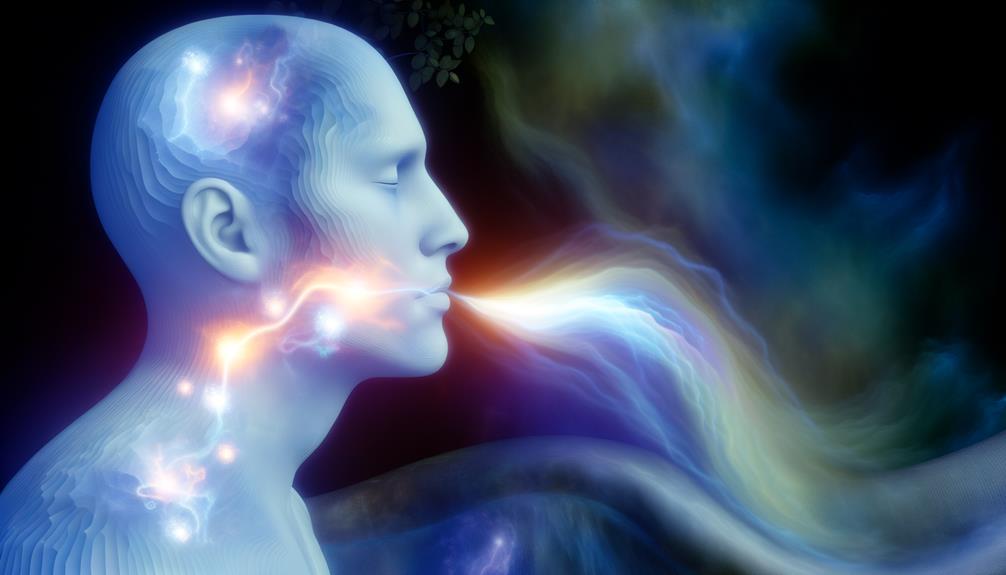
Spiritual Meaning of Jaw Pain: Unspoken Emotions, Inner Tension, and Suppressed Expression
| Symbolism Aspect | Spiritual Meaning |
|---|---|
| Suppressed Expression | Reflects unspoken thoughts, feelings, or truths held back |
| Inner Tension | Symbolizes emotional or mental stress that is being physically stored |
| Communication Blockage | Indicates fear or difficulty in expressing oneself honestly |
| Repressed Anger or Fear | Jaw pain can relate to unresolved frustration or anxiety |
| Need for Release | A call to release emotional pressure and speak your truth spiritually |
Emotional Blockages
Emotional blockages can manifest physically in various ways, and jaw pain is often a significant indicator of unresolved emotional tension.
When emotions such as stress, anxiety, or suppressed anger are not adequately processed, they can accumulate in the body, leading to physical discomfort.
The jaw, being a critical area for expression and communication, is particularly susceptible to this tension.
Recognizing jaw pain as a potential sign of emotional blockages encourages individuals to explore their inner emotional landscape.
By addressing these underlying issues, one can potentially alleviate physical symptoms and foster emotional well-being.
It is essential to approach this journey with compassion and patience, understanding that healing emotional wounds is a gradual process requiring self-awareness and support.
Unspoken Truths
Often, jaw pain can be a profound manifestation of unspoken truths that linger beneath the surface of our conscious awareness. These unvoiced thoughts or feelings can create a physical tension, leading to discomfort in the jaw area.
When we suppress our true feelings or avoid expressing our authentic selves, the body may respond by tightening the jaw, as if holding back these unspoken words. Recognizing this connection can be the first step towards healing.
Repressed Anger

Repressed anger, often buried deep within our psyche, can manifest physically as jaw pain, signaling the need to address unresolved emotional turmoil.
Holding onto anger without expressing it healthily can lead to chronic tension in the jaw muscles. This physical discomfort serves as a reminder that our emotional well-being requires attention and healing.
Recognizing the connection between repressed anger and jaw pain empowers us to explore underlying emotions and seek constructive outlets for expression. Techniques such as mindfulness, journaling, or speaking with a trusted confidant can help release pent-up anger.
Communication Issues
Communication issues, when left unresolved, can manifest as jaw pain, highlighting the profound connection between our ability to express ourselves and our physical health.
The jaw, a critical component in verbal expression, often bears the brunt of unspoken words and unresolved dialogues. When we suppress our true feelings or struggle to articulate our thoughts, tension accumulates in the jaw muscles, leading to discomfort and pain.
Recognizing this link allows us to approach jaw pain as a signal to examine our communication habits. Cultivating open and honest conversations can alleviate this physical manifestation.
Embracing our voice and fostering healthy dialogue not only nurtures our relationships but also promotes holistic well-being, emphasizing the importance of addressing communication barriers compassionately.
Stress and Anxiety

Stress and anxiety can manifest physically in various ways, often leading to jaw pain due to emotional tension.
Understanding the profound mind-body connection can help in recognizing how unspoken anxieties and stressors might be stored in the jaw.
Emotional Tension Impact
The emotional tension stemming from stress and anxiety can manifest physically, often leading to symptoms such as jaw pain. When life’s pressures accumulate, the body responds by tensing muscles, particularly in the jaw and facial area.
This tension can exacerbate existing discomfort, creating a cycle of stress and physical pain. Recognizing the connection between emotional well-being and physical symptoms is essential for holistic healing.
It’s important to approach this issue with compassion and self-awareness. Techniques such as mindfulness, deep breathing exercises, and seeking professional support can be instrumental in alleviating both emotional and physical strain.
Mind-Body Connection
Understanding the profound link between emotional tension and jaw pain leads us to explore the intricate mind-body connection, particularly how stress and anxiety manifest physically.
Jaw pain often serves as a tangible reminder of the unseen burdens we carry. Stress and anxiety can cause muscle tension, leading to clenching and grinding, which exacerbates discomfort in the jaw.
By acknowledging this connection, we empower ourselves to address the root causes of our physical ailments.
Engaging in mindfulness practices, such as meditation and deep-breathing exercises, can alleviate both emotional stress and physical pain.
Encouragingly, this holistic approach fosters greater awareness and self-compassion, allowing us to heal more deeply and maintain a harmonious balance between mind and body.
Pathways to Healing
Beginning a journey towards healing jaw pain requires a mindful exploration of the mind-body connection, holistic healing practices, and emotional release methods.
By integrating these approaches, individuals can uncover deeper insights into their pain and foster a sense of overall well-being.
Embracing these pathways offers not only physical relief but also emotional and spiritual harmony.
Mind-Body Connection Techniques
Incorporating mind-body connection techniques can be a transformative pathway to healing jaw pain on both a physical and spiritual level.
By understanding the intricate relationship between our mental state and physical well-being, we reveal profound avenues for relief and self-discovery. Techniques such as mindfulness and meditation encourage a deeper awareness of our emotional landscape, which can often manifest as physical discomfort.
These practices not only alleviate pain but also promote a harmonious balance within.
- Mindfulness Meditation: Cultivate present-moment awareness to reduce stress and tension in the jaw.
- Progressive Muscle Relaxation: Intentionally relax muscle groups to release jaw tension.
- Guided Imagery: Visualize peaceful scenarios to foster mental relaxation.
These techniques provide gentle, yet powerful tools for healing.
Holistic Healing Practices
Holistic healing practices offer a multifaceted approach to addressing jaw pain, integrating both physical and spiritual dimensions for thorough relief.
Techniques such as acupuncture, chiropractic adjustments, and massage therapy target physical misalignments and tension, promoting relaxation and alignment.
Additionally, energy healing modalities like Reiki and crystal therapy focus on balancing the body’s energetic fields, thereby fostering a deeper sense of well-being.
Meditation and mindfulness practices can further aid in reducing stress and cultivating inner peace, which are essential for alleviating jaw pain.
By addressing the root causes on multiple levels, holistic practices empower individuals to achieve lasting relief and enhance overall health.
Embracing these pathways encourages a harmonious balance between body and spirit, promoting profound healing.
Emotional Release Methods
Exploring emotional release methods can greatly contribute to alleviating jaw pain by addressing the underlying emotional stress and tension that often manifest physically. Identifying and releasing these pent-up emotions can lead to profound healing and relief.
Here are several effective emotional release techniques:
- Mindfulness Meditation: Encourages awareness and acceptance of present emotions, reducing stress and tension.
- Journaling: Provides a safe space to express and process emotions, promoting mental clarity and emotional balance.
- Breathwork: Uses controlled breathing exercises to release stored emotional energy, fostering relaxation.
Conclusion
Jaw pain, symbolizing a fortress of unspoken truths and repressed emotions, often reflects deeper emotional blockages.
Communication issues and unvoiced anger create a storm within, manifesting as physical discomfort. Stress and anxiety further entrench these symbolic chains, hindering authentic expression.
Pathways to healing lie in releasing these emotional locks, fostering open dialogue, and addressing inner turmoil.
Embracing these steps can transform pain into a beacon of insight, guiding one towards emotional freedom and holistic well-being.