
Spiritual Meaning of Lighting a Candle for the Dead
Lighting a candle for the dead holds deep spiritual meaning across various cultures and religions, symbolizing remembrance, guidance, and connection. Ancient traditions viewed the flame as a beacon, leading souls through the afterlife and offering solace to the living.
In rituals worldwide—from Mexico’s Día de los Muertos to Japan’s Obon Festival—candles embody prayers and eternal bonds. Colors like white for peace or red for love enhance these sentiments.
This practice provides emotional healing, reminding mourners that love endures beyond death. To discover the rich tapestry of this sacred tradition, there’s much more to uncover.
Spiritual Meaning of Lighting a Candle for the Dead: Honoring Souls and Sending Prayers
| Aspect | Spiritual Meaning |
|---|---|
| Remembrance | Honors and keeps the memory of the deceased alive |
| Guiding Light | Believed to help guide the soul on its spiritual journey |
| Prayer and Intention | A physical act of sending prayers and positive energy |
| Connection to the Divine | Creates a sacred space for spiritual communication |
| Symbol of Eternal Life | Represents the soul’s immortality and continuation beyond death |
Historical Origins
The practice of lighting candles for the dead dates back to ancient civilizations, where the flame symbolized both remembrance and spiritual connection.
In ancient Egypt, candles accompanied the deceased to light their path to the afterlife. The Romans and Greeks also used candles in burial rites, believing the light helped guide souls to the next world.
Across varied cultures, the act of lighting a candle has always been more than a simple ritual; it’s a profound gesture that bridges the living with the departed.
Each flicker represents a prayer, a memory, or a wish for peace. This time-honored tradition reflects humanity’s enduring need to honor the dead and seek comfort in the continuity of life and spirit.
Cultural Significance
Spanning continents and centuries, the cultural significance of lighting candles for the dead reveals a tapestry of beliefs and traditions that honor the departed in profound ways.
This practice is a universal expression of remembrance and reverence, uniting diverse communities through shared acts of love and respect. Cultures from Mexico’s Día de los Muertos to Japan’s Obon Festival embrace this ritual, each adding unique nuances.
| Region | Tradition | Purpose |
|---|---|---|
| Mexico | Día de los Muertos | Honoring deceased loved ones |
| Japan | Obon Festival | Guiding spirits back home |
| Western Europe | All Souls’ Day | Praying for the departed |
| Africa | Ancestral Worship | Connecting with ancestors |
Through these practices, the living cultivate a sense of continuity and connection, transcending the boundaries of life and death.
Religious Practices
In various religious practices, lighting a candle for the dead serves as a sacred act that bridges the earthly and the divine. This ritual, observed in Christianity, Buddhism, and Hinduism, among others, provides solace and a tangible connection to those who’ve passed on.
It’s a way to honor the departed, offering prayers and inviting peace into their journey beyond this life. The act is imbued with deep reverence, reflecting a universal yearning for continuity and remembrance.
Each flicker of the flame is a silent yet profound prayer, fostering a sacred space where the living and the deceased can spiritually intersect. Through this simple yet meaningful gesture, people find comfort, hope, and a sense of presence in the midst of loss.
Symbolism of Light
Light embodies a profound symbolism, representing hope, guidance, and the eternal presence of the soul.
When a candle is lit for the departed, it serves as a beacon, illuminating the path for the soul’s journey. This act transcends cultural and religious boundaries, reflecting a universal desire to honor and connect with those who’ve passed.
Light pierces through darkness, offering solace and a reminder of the enduring bond between the living and the deceased. The gentle flicker of a candle signifies the fragile yet persistent essence of life and spirit.
In lighting a candle, one doesn’t merely observe a ritual but participates in a timeless expression of love, memory, and spiritual continuity.
Psychological Comfort
Lighting a candle for the deceased provides psychological comfort by fostering an emotional healing process and creating a symbolic presence connection.
This simple act helps mourners feel closer to their loved ones, offering solace in their time of grief.
It serves as a gentle reminder that while life may end, the bond shared remains undiminished.
Emotional Healing Process
The act of lighting a candle for the deceased provides profound psychological comfort, often serving as a gentle balm for the soul during the emotional healing process.
This simple ritual can help individuals navigate their grief by offering a tangible way to honor and remember their loved ones. The gentle glow of the candlelight can evoke a sense of peace and connection, facilitating the journey through sorrow.
In the emotional healing process, lighting a candle can:
- Provide a sense of closure: Creating a moment of reflection and finality.
- Foster a sense of presence: Offering a symbolic gesture that the departed aren’t forgotten.
- Encourage emotional expression: Allowing space for tears, memories, and healing.
Symbolic Presence Connection
As individuals find solace through the emotional healing process, they also experience a profound psychological comfort in the symbolic presence of their loved ones through the simple act of lighting a candle.
This flickering flame acts as a gentle reminder of the enduring connection between the living and the departed. It offers an anchor for memories, allowing those grieving to feel a sense of continuity and presence.
By lighting a candle, they create a sacred space where the spirit of their loved one feels close, fostering a sense of peace and reassurance.
The candle’s light serves as a beacon of hope, illuminating the path through grief and offering a tangible expression of love and remembrance that transcends physical absence.
Rituals and Ceremonies
Rituals and ceremonies imbue the act of lighting a candle for the dead with profound symbolic meaning, serving as acts of remembrance that transcend generations.
They hold deep cultural significance, reflecting diverse traditions and beliefs about honoring those who’ve passed.
Common practices like prayer, meditation, and communal gatherings illuminate the shared human need for connection and reverence.
Symbolic Acts of Remembrance
In many cultures, lighting a candle for the dead serves as a poignant ritual that honors and remembers departed loved ones, creating a bridge between the physical and spiritual domains.
This simple yet profound act is imbued with deep symbolic meaning, offering comfort and a sense of connection. Through this ritual, individuals manifest their love and respect for those who’ve moved on to the afterlife.
The act of lighting a candle often encompasses several dimensions:
- Guidance: The flame symbolizes guiding the souls of the deceased toward peace.
- Memory: It serves as a tangible reminder of cherished memories.
- Presence: The light represents the enduring presence of the departed in the hearts of the living.
These symbolic acts foster a profound sense of continuity and solace.
Cultural Significance Explained
Across various cultures, the ritual of lighting a candle for the dead embodies a rich tapestry of ceremonies and beliefs that highlight the deep spiritual connections shared among communities.
In many traditions, this act serves as a bridge between the living and the deceased, symbolizing guidance, remembrance, and the enduring presence of the loved ones who’ve passed.
Whether in a solemn church setting or during an intimate family gathering, the light from the candle often represents the soul’s journey, illuminating the path to the afterlife.
This practice reinforces communal bonds, offering comfort and a shared space for collective mourning and reflection.
It’s a poignant reminder that, despite physical absence, the spiritual presence of the deceased remains ever significant.
Common Ritualistic Practices
With reverence and a sense of continuity, communities worldwide engage in diverse rituals and ceremonies when lighting candles for the dead. These practices often hold deep spiritual significance, offering solace and connection to the departed.
Common rituals include:
- All Saints’ Day and All Souls’ Day: In many Christian traditions, believers light candles on these days to honor and pray for the souls of the deceased.
- Yahrzeit Candles: In Jewish culture, a special candle is lit on the anniversary of a loved one’s death, symbolizing the enduring presence of their soul.
- Dia de los Muertos (Day of the Dead): In Mexican tradition, families set up altars adorned with candles, photographs, and offerings to welcome the spirits of their ancestors.
Such rituals provide a comforting bridge between the living and the dead.
Personal Reflections
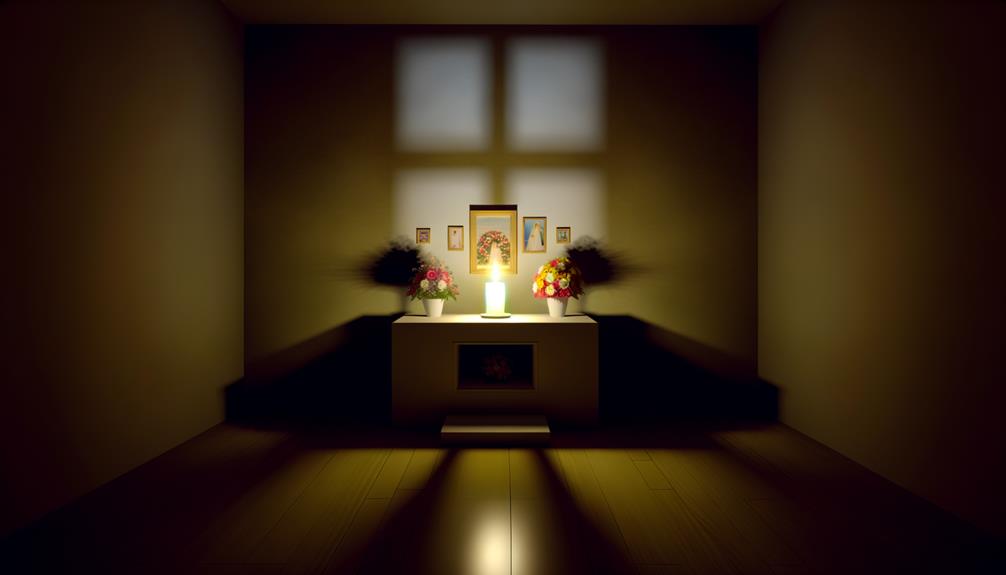
Many individuals find solace in the simple act of lighting a candle, allowing them to connect deeply with their memories and emotions. This quiet ritual often becomes a moment of reflection, a space where they can honor their loved ones’ lives and feel their presence.
The gentle flame symbolizes a continuous connection, bridging the gap between the physical and spiritual domains. Each flicker of light can evoke a sense of peace and bring comfort during times of grief. It’s a way to express love, remembrance, and even seek guidance from those who’ve passed.
In these personal moments, lighting a candle transforms into a meaningful gesture, illuminating the enduring bond between the living and the departed.
Candles in Modern Times
In modern times, the act of lighting a candle for the dead has evolved, yet it remains a poignant ritual that bridges contemporary lifestyles with ancient spiritual practices.
This simple gesture continues to offer solace and a sense of connection to those who’ve passed. People find comfort in knowing that a small flame can symbolize enduring love and memory.
Modern adaptations include:
- Digital Candles: Online platforms now offer virtual candles, allowing individuals to honor loved ones without physical constraints.
- Eco-friendly Options: Sustainable candles made from soy or beeswax are chosen to respect both the earth and the deceased.
- Community Vigils: Public ceremonies where many light candles together, creating a collective space for mourning and remembrance.
These practices reflect a timeless human need for spiritual connection and remembrance.
Common Candle Colors
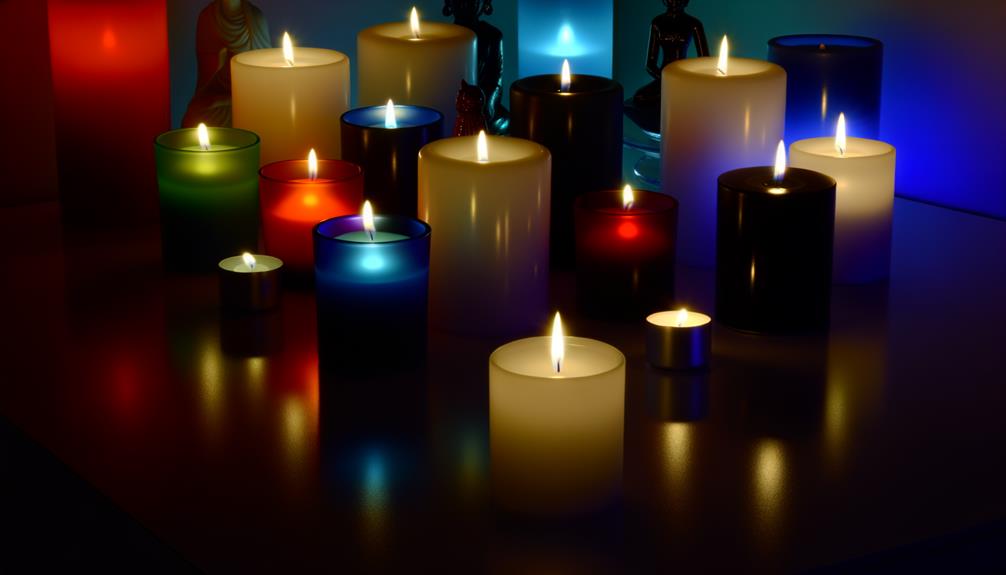
As people continue to honor the deceased through the lighting of candles, the colors chosen often carry significant spiritual meanings and personal symbolism.
Red symbolizes love and respect, evoking deep emotions tied to the deceased. White stands for purity and peace, offering a serene farewell. Blue is linked with healing and calm, comforting those in mourning. Each color helps convey specific sentiments and prayers.
| Color | Meaning | Sentiment |
|---|---|---|
| Red | Love, Respect | Deep emotions |
| White | Purity, Peace | Serene farewell |
| Blue | Healing, Calm | Comforting presence |
Choosing the right candle color can provide a meaningful way to express one’s feelings, ensuring that the act of remembrance is both heartfelt and intentional.
Creating a Sacred Space
To honor the memory of a loved one, creating a sacred space imbues the ritual of candle lighting with profound reverence and tranquility. A sacred space serves as a dedicated area for reflection and connection with the departed. It can be simple yet deeply meaningful.
Here are three key elements to reflect upon:
- Location: Choose a quiet, undisturbed area that feels peaceful and private.
- Personal Touches: Include photographs, mementos, or objects that belonged to the deceased to evoke their presence.
- Atmosphere: Use soft lighting, soothing scents, and gentle music to create a calming ambiance.
Conclusion
Coincidentally, as the flickering flame of a candle mirrors life’s fragility, people worldwide find solace in this ancient ritual.
Lighting a candle bridges cultural, spiritual, and personal divides, offering both a sacred tribute and a comforting presence.
By understanding its historical roots and symbolic significance, one gains deeper insight into the universal human need for connection and remembrance.
In today’s fast-paced world, a simple candle can create a timeless space for reflection and peace.