
Spiritual Meaning of Dead Flowers: Faded Energy
Dead flowers carry profound spiritual significance, symbolizing transformation, impermanence, and the cyclical nature of life. They represent the end of one phase and the beginning of another, illustrating that within every conclusion lies the seed of renewal.
The silent decay of wilted petals reminds us to embrace change, letting go of what no longer serves us to make way for new growth. This process of metamorphosis encourages reflection, resilience, and acceptance of life’s transient beauty.
The deep messages within dead flowers beckon us to uncover the hidden truths and spiritual lessons they hold. Explore further to uncover these sacred insights.

Spiritual Meaning of Dead Flowers: Endings, Renewal, and Letting Go
| Symbolic Aspect | Spiritual Meaning |
|---|---|
| End of a Cycle | Represents closure, completion, or the fading of a relationship or phase |
| Letting Go | Encourages release of what no longer serves your highest good |
| Emotional Release | Symbolizes unexpressed grief, loss, or heartache being brought to the surface |
| Transformation | Indicates that something must end for new growth and rebirth to occur |
| Beauty in Impermanence | Reminds us to appreciate the present and accept the spiritual flow of life |
Symbol of Transformation
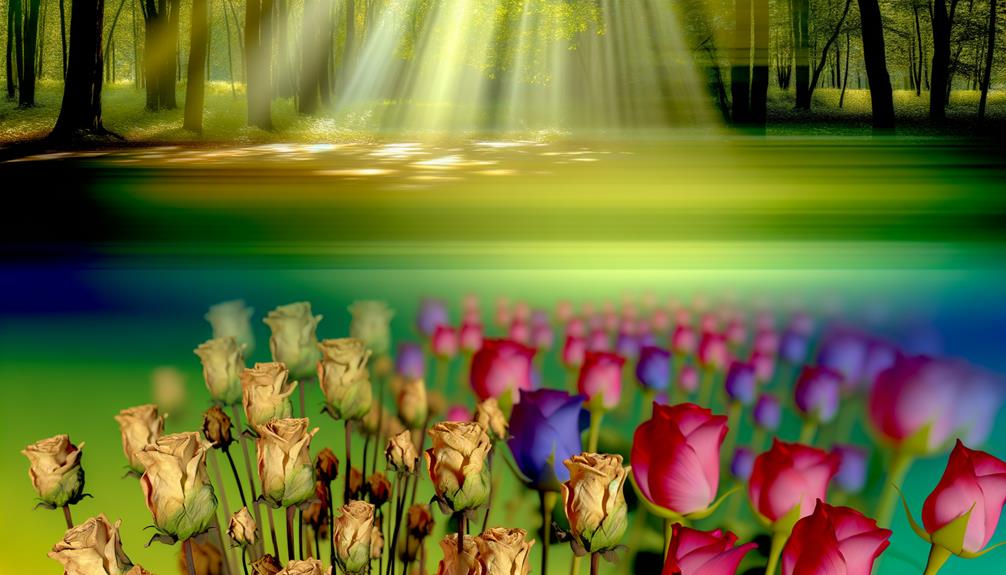
In the domain of spiritual symbolism, dead flowers often serve as poignant emblems of transformation, reflecting the cyclical nature of life and the profound beauty found in change.
As flowers wither and decay, they symbolize the inevitable end of one phase and the birth of another, illustrating the perpetual dance between life and death.
This transformation is not merely an end but a metamorphosis, signifying renewal and the potential for growth.
The delicate petals, now faded, carry a silent message of resilience and the enduring essence of life’s journey.
Through their quiet presence, dead flowers invite us to acknowledge the transient moments and recognize the deeper, unseen shifts that shape our existence with grace and introspection.
Embracing Change
In the silent beauty of dead flowers lies a profound acceptance of impermanence, reminding us that transformation and growth often emerge from endings.
By embracing the natural cycle of life, we learn to let go gracefully, finding strength in the inevitability of change.
This poignant symbolism encourages us to honor each phase of our journey, recognizing that every conclusion holds the seed of a new beginning.
Acceptance of Impermanence
The withering of flowers serves as a poignant reminder that all things in life are transient, urging us to embrace the beauty of change and the inevitability of impermanence. Each petal that falls underscores the cyclical nature of existence, prompting us to cherish moments as they come and go.
This acceptance of impermanence is not about resignation but about finding peace within the ebb and flow of life. Dead flowers teach us to honor endings as much as beginnings, to see the sacredness in every phase of life.
Transformation and Growth
Embracing the transformation of dead flowers into compost illustrates the profound cycle of decay and renewal, symbolizing the potential for growth inherent in every ending.
This metamorphosis serves as a reminder that from the remnants of what once was, life finds a way to flourish anew. The wilting petals, once vibrant, now return to the earth, enriching the soil and nurturing future blossoms.
This cycle mirrors our own life journeys, where the end of one chapter can herald the beginning of another, filled with untapped potential and growth.
Letting Go Gracefully
As we witness the transformation of dead flowers into sources of new growth, we are reminded of the profound importance of letting go gracefully to embrace the inevitable changes life brings. This act of release allows us to honor what was while making space for what will be.
Dead flowers, in their silent surrender, teach us about the cycles of life, death, and rebirth—each phase holding its own significance.
| Symbolic Element | Emotional Insight | Spiritual Lesson |
|---|---|---|
| Dead Flowers | Acceptance of Loss | Life’s Transience |
| Falling Petals | Release of Attachments | Embracing Change |
| New Growth | Hope and Renewal | Rebirth and Renewal |
| Composting | Transformation | Nutrients for the Future |
| Seasons | Evolving Emotions | Cycles of Existence |
In embracing these lessons, we cultivate resilience and wisdom.
Cycles of Life
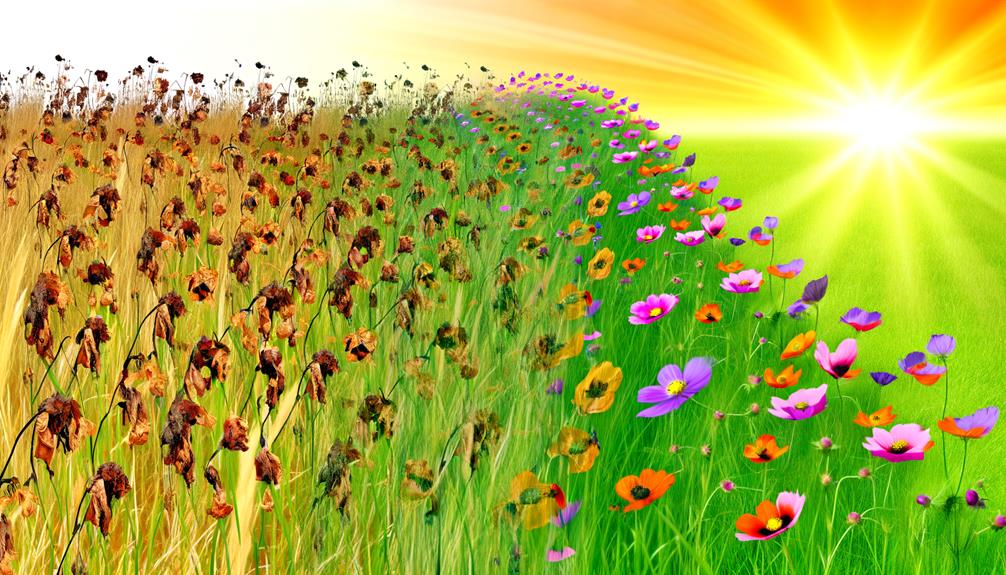
Dead flowers stand as poignant reminders of nature’s impermanence, illustrating the cyclical journey of existence.
Through their decay, they nourish the soil, symbolizing renewal and the beauty found in life’s continual changes.
Embracing these changes allows us to find meaning in every phase, recognizing the inherent grace in both beginnings and endings.
Nature’s Impermanence Symbolized
The wilting of flowers poignantly underscores the ephemeral nature of existence, symbolizing the continuous cycles of birth, growth, decay, and rebirth inherent in life. This natural process serves as a profound reminder of our own transience and the beauty found in each fleeting moment.
The symbolism of dead flowers can be understood through:
- Acceptance of Change: Recognizing that transformation is a fundamental part of existence.
- Embracing Mortality: Acknowledging that life’s temporality imparts value and urgency.
- Reflection on Time: Contemplating the passage of time and its impact on our lives.
Thus, as flowers wither, they teach us to find grace in endings and to appreciate the cyclical nature of existence, reflecting a deeper, spiritual truth.
Renewal Through Decay
Embracing the natural decay of flowers, we uncover the profound truth that from the remnants of endings, new beginnings invariably emerge, symbolizing the perpetual cycles of life and renewal.
This process of renewal through decay is not merely an end but a transformation, bridging the temporal with the eternal. Understanding this cyclical nature deepens our appreciation for the fleeting beauty of existence.
| Phase | Symbolism | Emotional Insight |
|---|---|---|
| Bloom | Birth and Vitality | Joy and Hope |
| Peak | Full Potential | Fulfillment and Pride |
| Decay | Shift and Change | Reflection and Acceptance |
| Renewal | Rebirth and Growth | Optimism and Gratitude |
In recognizing these stages, we find solace in the knowledge that decay is a crucial part of life’s continuum, fostering rejuvenation.
Embracing Life Transitions
How do we find meaning in the inevitable changes that mark our journey through life?
Dead flowers, with their quiet resignation, invite us to embrace the transient nature of existence. They symbolize the cyclical patterns that govern our lives, reminding us to find beauty in endings as much as beginnings.
To navigate these shifts, consider:
- Reflection: Contemplate the experiences and lessons gained from each phase.
- Acceptance: Embrace the natural flow of life, understanding that change is a constant.
- Growth: Recognize that from decay emerges renewal, fostering new opportunities for spiritual and emotional development.
Endings and Beginnings
In the delicate cycle of life, dead flowers symbolize the profound interplay between endings and new beginnings, where each wilted petal whispers a story of change and transformation.
As vibrant blooms fade, they remind us that every conclusion holds the seed of potential for something new. This natural metamorphosis mirrors our own journeys, where losses and closures carve pathways for growth and renewal.
The graceful surrender of a flower to its inevitable demise invites us to embrace the beauty in life’s transient moments, encouraging a deeper understanding of our own cyclical existence.
Nature’s Reminder
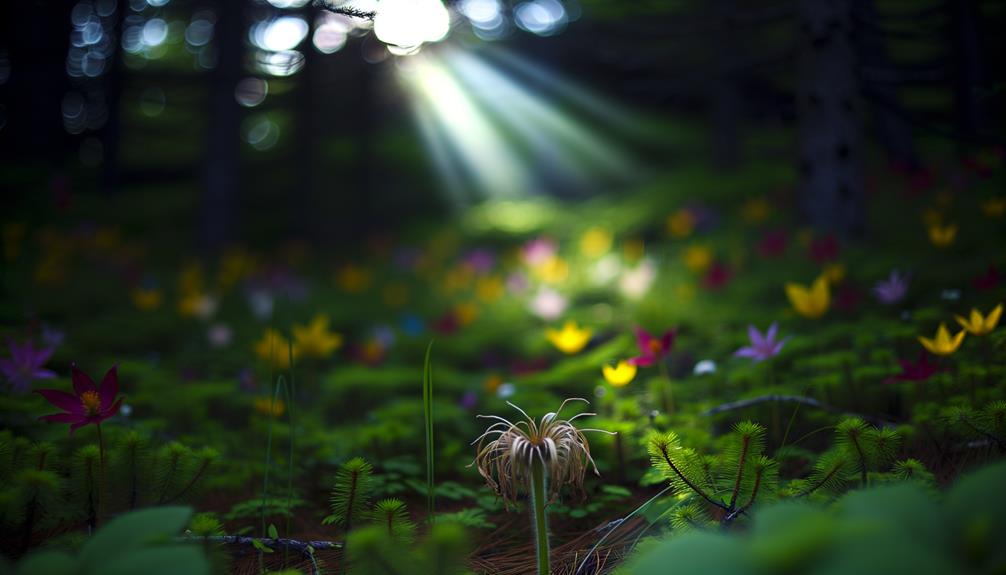
Through the quiet decay of flowers, nature gently nudges us to recognize the impermanence of all things, urging a contemplative reflection on life’s ephemeral beauty. This natural process serves as a profound reminder that:
- Life is transient: Flowers, once vibrant, remind us that all living things follow a cycle of birth, growth, and eventual decay.
- Beauty in transformation: Even in their wilted state, dead flowers hold a somber beauty, symbolizing the ongoing dance of change and transformation.
- Embrace the present: Observing dead flowers encourages us to cherish the fleeting moments and appreciate the present.
These subtle messages, embedded in the natural world, invite us to develop a deeper appreciation for the cyclical nature of existence and the transient beauty it encompasses.
Spiritual Transition
The quiet decay of flowers not only underscores the impermanence of life but also symbolizes a profound change into a domain of spiritual renewal and growth.
As petals wither and fall, they represent the soul’s journey through transformation, shedding old layers to make way for new spiritual insights.
This natural process echoes the cyclical nature of existence, where death is not an end but a metamorphosis into a higher state of being.
In this delicate balance of life and decay, dead flowers serve as a poignant reminder that spiritual evolution often requires embracing the ending of one phase to begin anew.
Their silent alteration invites us to reflect on our own spiritual paths, encouraging deeper understanding and acceptance.
Letting Go
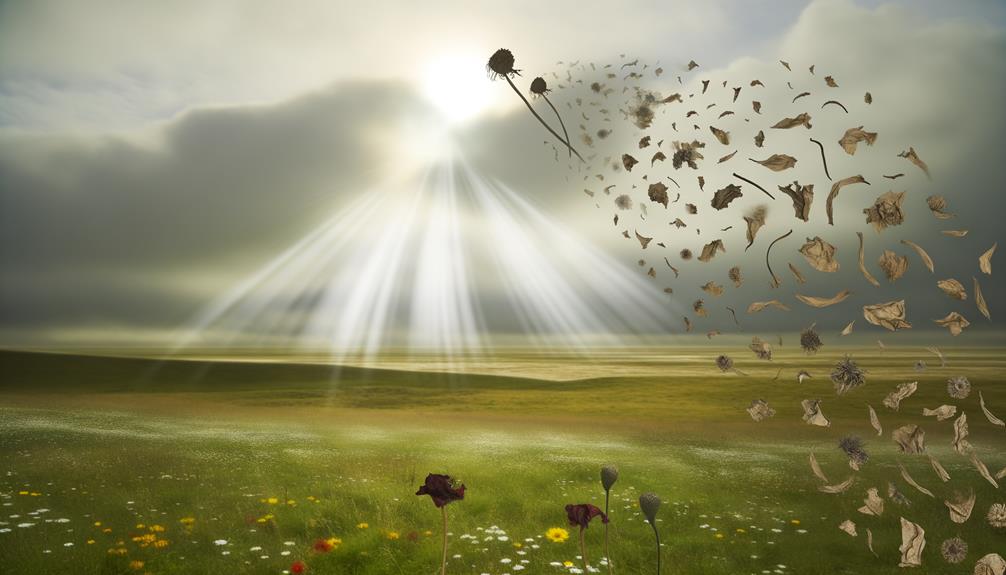
Embracing the symbolism of dead flowers, one finds that letting go is an essential step in the journey toward spiritual enlightenment.
Dead flowers, in their quiet decay, remind us that release is a natural part of life’s cycle. This act of letting go can be deeply transformative, offering intuitive insight and emotional depth to our spiritual path.
Consider the following steps:
- Acknowledge the End: Recognize that the presence of dead flowers signifies the conclusion of a phase, urging us to honor what was and accept its end.
- Embrace Change: Understand that change is inevitable and necessary for growth, much like flowers must wither to make space for new blooms.
- Cultivate Detachment: Practice emotional detachment, allowing yourself to release what no longer serves your spiritual journey.
This mindful process fosters growth and renewal.
Hidden Messages
In the silent language of dead flowers, hidden messages whisper profound truths about our inner lives and spiritual journeys.
The withered petals and faded hues speak to the inevitable cycles of life and transformation. Each drooping stem symbolizes the passage of time and the transient nature of beauty, urging us to look beyond the surface.
The decay is not mere death but a prelude to renewal, an invitation to uncover what lies beneath. Within this quiet demise, we find lessons in resilience, acceptance, and the impermanence of worldly attachments.
Dead flowers become silent teachers, guiding us towards inner growth and the deeper meanings that often elude our conscious minds, urging us to listen to their silent, yet eloquent, messages.
Time for Reflection
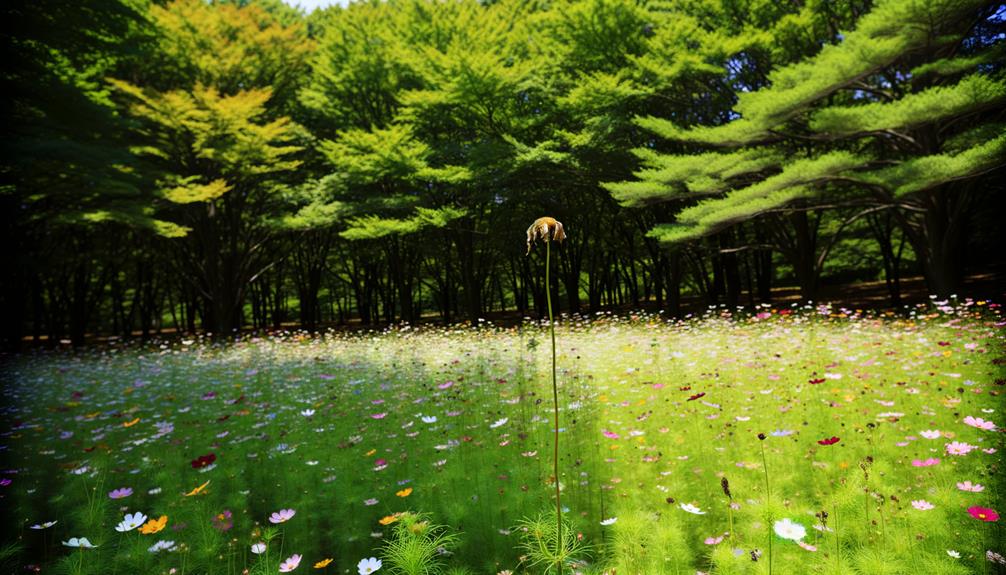
In the quiet presence of dead flowers, we are invited to ponder the ephemeral nature of existence, finding profound wisdom in their silent testimony.
This contemplation of life’s fleeting moments becomes a catalyst for embracing our own journey of personal growth and transformation.
Through this reflective process, we uncover deeper layers of meaning and purpose within our lives.
Contemplating Life’s Impermanence
As we observe the withering petals of dead flowers, we are gently reminded of the transient nature of existence, inviting us to reflect on the fleeting moments of our own lives.
This contemplation is a profound exercise in understanding the impermanence that governs all living things. By acknowledging this ephemerality, we can derive deeper meaning and insight into our own journeys.
Consider the following aspects:
- Appreciation: Recognize and cherish the beauty in each moment, knowing it is temporary.
- Acceptance: Embrace the natural cycle of birth, growth, decay, and renewal.
- Mindfulness: Cultivate a presence that honors both the past and the present, without clinging to them.
These reflections help us navigate life’s impermanence with grace and wisdom.
Embracing Personal Growth
Embracing the transformative power of personal growth invites us to reflect on the lessons embedded within the cycle of life’s continuous evolution.
The symbolism of dead flowers serves as a poignant reminder that growth often requires letting go of the old to make space for the new. This phase of reflection can be deeply emotional, yet profoundly enlightening.
| Symbolism | Personal Growth Insight |
|---|---|
| Dead Flowers | Letting go of outdated beliefs |
| Wilted Petals | Shedding layers to reveal true self |
| Fading Colors | Changing through life’s phases |
| Fallen Blossoms | Embracing change and new beginnings |
| Dormant Seeds | Potential for future growth and renewal |
New Growth Potential
The withering of flowers, often seen as an end, symbolically paves the way for new growth and rejuvenation.
In the spiritual domain, this transformation speaks to the cyclical nature of life, underscoring that endings are merely preludes to fresh beginnings. Dead flowers can embody the latent potential for new growth, urging us to recognize the hidden opportunities that lie in what seems lost.
Consider the following aspects:
- Nourishment: Decomposing flowers enrich the soil, fostering fertile ground for new life.
- Reflection: The process prompts introspection, encouraging personal growth and evolution.
- Resilience: Observing nature’s cycle teaches resilience, highlighting the capacity to rise anew from perceived demise.
Through these lenses, dead flowers transform into powerful symbols of hope and renewal.
Conclusion
Dead flowers, embodying the delicate dance between life and death, serve as poignant symbols of transformation and renewal.
They whisper of the inevitable cycles of existence, urging the embrace of change and the acceptance of endings as a prelude to new beginnings.
These withered petals, a silent indication of nature’s impermanence, call for reflection and release.
In their quiet decay, they reveal hidden messages, urging the recognition of potential growth and the beauty that arises from letting go.