Cherry Blossom Tree Spiritual Meaning: Impermanence
The cherry blossom tree, scientifically known as Prunus serrulata, holds deep spiritual meaning, symbolizing life’s transience and impermanence. In Japanese culture, its brief flowering period embodies ‘mono no aware,’ an awareness of the fleeting nature of existence.
The phenomenon of photoperiodism triggers their annual bloom, signifying renewal and rebirth. The blossoms serve as a metaphor for cherishing ephemeral beauty and align with Buddhist principles like *anicca*.
Celebrated through Japan’s Hanami festival, cherry blossoms foster communal bonding and reflection on life’s cycles. For those intrigued by the confluence of nature, culture, and spirituality, there’s more to uncover.
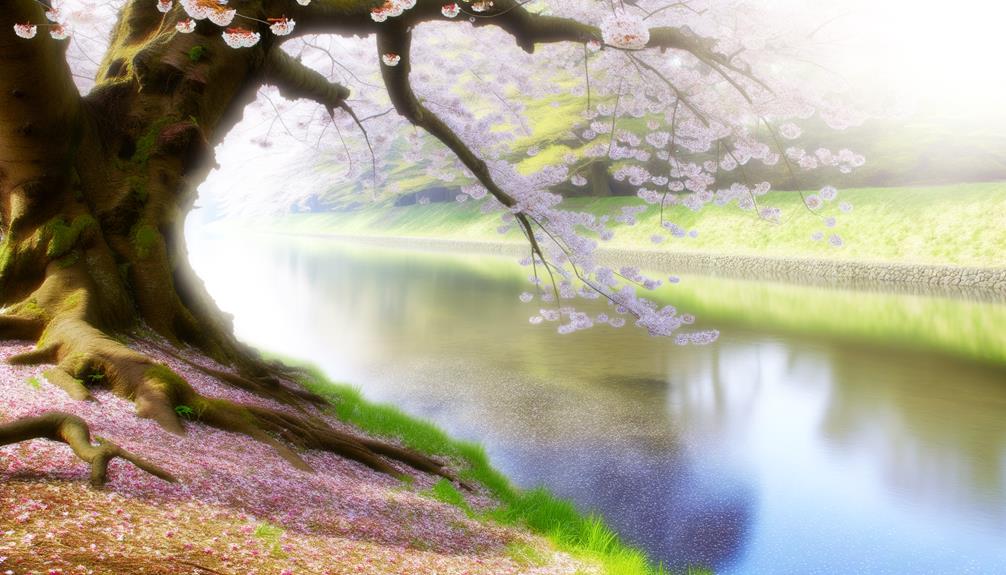
Cherry Blossom Tree Spiritual Meaning: Symbolism of Life’s Impermanence, Renewal, and Spiritual Awakening
| Aspect | Spiritual Meaning |
|---|---|
| Impermanence of Life | The cherry blossom tree symbolizes the fleeting nature of life, reminding us to appreciate the present moment as life’s beauty is temporary (Ecclesiastes 3:1-8). |
| Renewal & Rebirth | It represents renewal, rebirth, and new beginnings, as cherry blossoms bloom in spring, signifying fresh starts and personal growth. |
| Beauty & Transience | Cherry blossoms highlight the transient beauty of life, encouraging us to cherish the delicate and short-lived moments of grace and joy. |
| Spiritual Awakening | The blooming of the cherry blossom can symbolize spiritual awakening and enlightenment, marking a time of personal transformation and higher awareness. |
| Peace & Serenity | The tree is often associated with peace, calm, and serenity, promoting harmony and balance in one’s spiritual and emotional life. |
Transience of Life
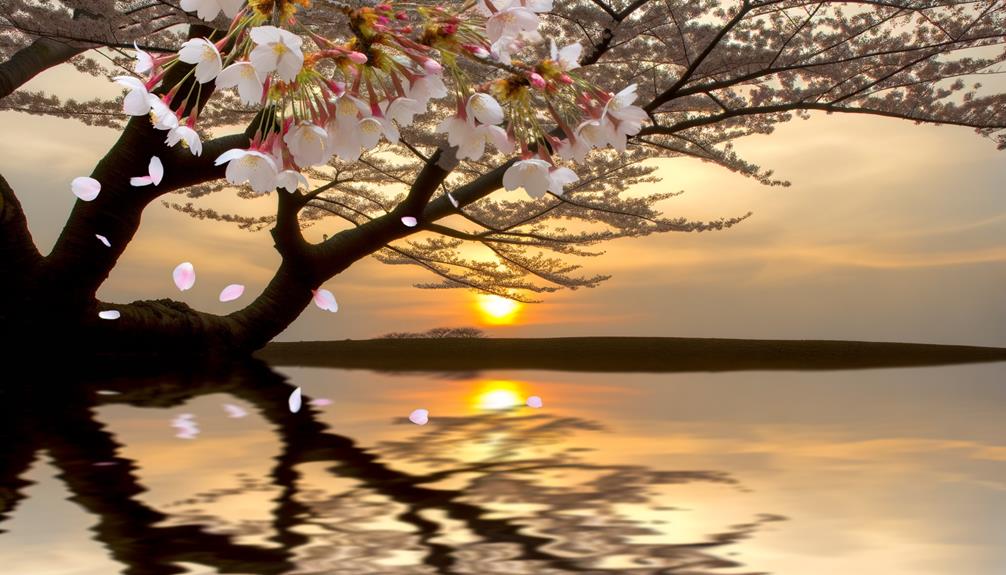
The cherry blossom tree, with its fleeting bloom, symbolizes the transience of life, reminding observers of the impermanence inherent in nature and human existence.
Scientifically known as Prunus serrulata, the cherry blossom’s brief flowering period, often lasting just a week, underscores the ephemeral nature of beauty and life itself.
In Japanese culture, this phenomenon is deeply tied to the concept of ‘mono no aware,’ which captures the poignant awareness of the temporality of all things.
Botanically, the tree’s petals fall swiftly and gracefully, mirroring the inevitable passage of time.
This cultural and botanical interplay highlights how cherry blossoms serve as a living metaphor for life’s fleeting moments, urging individuals to cherish and reflect upon their own transient experiences.
Renewal and Rebirth
The cherry blossom tree, known scientifically as Prunus serrulata, signifies profound themes of renewal and rebirth.
In various cultures, its annual bloom marks a symbol of new beginnings and the cyclical nature of life.
This botanical phenomenon, coupled with its brief flowering period, often evokes moments of spiritual awakening and personal transformation.
Symbol of New Beginnings
Cherry blossoms, with their ephemeral beauty, symbolize the fleeting nature of life and the promise of renewal and rebirth in many cultures. These delicate flowers mark the shift from winter’s dormancy to spring’s vibrancy, embodying new beginnings. Botanically, Prunus serrulata produces blossoms that last mere weeks, emphasizing life’s transience.
In cultural contexts:
- Japan’s Hanami Festival: Celebrates the transient beauty of cherry blossoms.
- Buddhist symbolism: Represents the impermanence of existence.
- Chinese traditions: Signify feminine beauty and the cycle of life.
Scientifically, the blossoming process is a result of photoperiodism, where longer daylight hours trigger flowering. This phenomenon underscores the interconnectedness of natural cycles and human experiences.
Cycle of Life
As cherry blossoms burst into bloom, they vividly illustrate the cycle of life, from the buds’ awakening to the petals’ eventual fall, embodying renewal and rebirth.
Botanically, the delicate flowers signify the transient nature of life, with each stage marking an essential phase.
In Japanese culture, this ephemeral beauty is celebrated during Hanami, highlighting nature’s impermanence and the promise of new beginnings.
Scientifically, the phenological stages of cherry blossoms—from dormancy to full bloom and senescence—mirror life’s own cycles.
The tree’s annual blooming acts as a poignant reminder of life’s continuous renewal, demonstrating that decay and death are natural preludes to rebirth.
Consequently, cherry blossoms serve as a powerful symbol of life’s enduring and cyclical essence.
Spiritual Awakening Moment
Viewing the ephemeral bloom of cherry blossoms, individuals often experience profound moments of spiritual awakening, resonating with themes of renewal and rebirth. This fleeting spectacle, typically lasting only a week or two, symbolizes the transient nature of life.
Within the cultural context of Japan, cherry blossoms, or ‘sakura,’ are celebrated during Hanami, an event underscoring the impermanence of existence. Botanically, the Prunus serrulata species exemplifies this, shedding petals swiftly after full bloom, marking cycles of death and regeneration.
These moments of reflection can lead to:
- Heightened mindfulness: Acknowledging the present moment’s beauty.
- Emotional healing: Letting go of past burdens.
- Personal growth: Embracing new beginnings.
Cherry blossoms consequently serve as a powerful metaphor for life’s cyclical nature.
Beauty in Impermanence
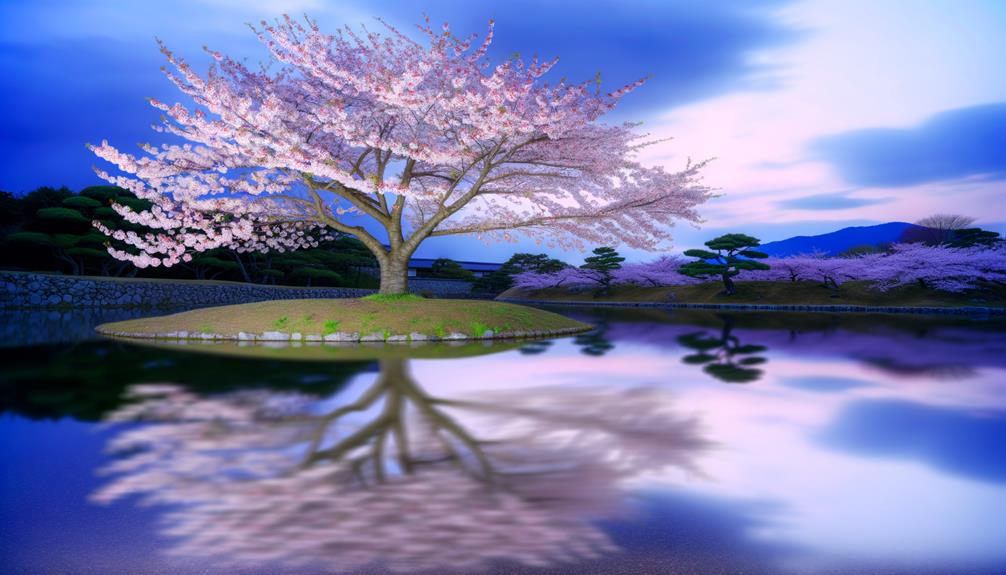
Cherry blossoms, with their brief blooming period, underscore the concept of transience in nature.
This ephemeral beauty holds significant cultural meaning in societies like Japan, symbolizing the fleeting nature of life.
Botanically, the rapid cycle from bud to blossom to fall illustrates the inherent impermanence that offers profound spiritual insights.
Fleeting Nature’s Lesson
The ephemeral bloom of the cherry blossom tree, lasting only a couple of weeks, encapsulates the profound Buddhist teaching of impermanence, reminding viewers of the transient nature of life and beauty. This fleeting spectacle teaches several lessons rooted in both botany and culture.
- Botanical Ephemerality: The flowers’ brief period of full bloom highlights the delicate balance within ecosystems.
- Cultural Reflection: In Japan, the cherry blossom season, or *hanami*, is a time for contemplation and appreciation of life’s fleeting moments.
- Psychological Impact: Observing the rapid bloom and fall of cherry blossoms can evoke a deeper understanding of personal and existential impermanence.
- Symbolic Representation: The cherry blossom symbolizes how beauty can be found in short-lived experiences, echoing the Buddhist principle of *anicca*, or impermanence.
This natural event serves as a poignant reminder of life’s transient beauty.
Ephemeral Beauty’s Significance
Ephemeral beauty, as exemplified by the cherry blossom’s brief bloom, reveals profound insights into the transient nature of existence, intertwining scientific observations with cultural reverence. The cherry blossom, or Sakura, blooms for a mere week, showcasing the plant’s lifecycle and the impermanence central to Buddhist teachings. This fleeting beauty symbolizes the transient moments in life, urging individuals to appreciate the present.
| Aspect | Details |
|---|---|
| Botanical Name | Prunus serrulata |
| Bloom Duration | Approximately 7 days |
| Cultural Significance | Symbol of renewal and the fleeting nature of life |
| Observational Period | Typically late March to early April |
The short-lived bloom cycle, driven by environmental factors, underscores life’s ephemeral nature, urging reflection on beauty in impermanence.
Cultural Significance in Japan
In Japan, cherry blossoms, or sakura, symbolize the transient beauty of life and are deeply woven into the cultural and spiritual fabric of the nation. They bloom briefly each spring, reminding people of life’s fleeting nature. This phenomenon is celebrated through hanami, a tradition of viewing and appreciating the blossoms.
- Botanical Aspect: Prunus serrulata, the scientific name for sakura, blooms for just a few weeks.
- Cultural Practices: Hanami parties encompass picnics under the trees, fostering communal bonding.
- Historical Context: Samurai revered sakura as a metaphor for their own lives, defined by honor and transience.
Sakura encapsulates a profound cultural ethos, merging natural beauty with philosophical depth.
Connection to Mindfulness
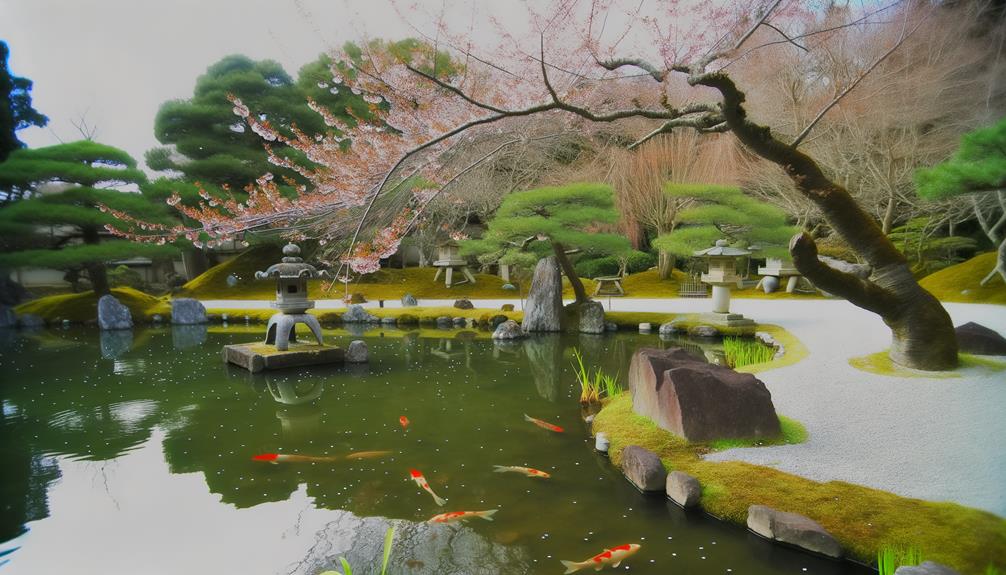
Cherry blossoms, with their brief yet brilliant display, provide a powerful metaphor for mindfulness, urging individuals to savor each moment fully.
Scientifically known as Prunus serrulata, these trees bloom for a short period, typically just a week or two in spring. This ephemeral nature mirrors the principle of impermanence central to mindfulness practices, reminding people of the transient beauty of life.
In cultural contexts, especially in Japan, hanami (flower viewing) gatherings encourage observers to be present, fostering an appreciation for the fleeting beauty around them.
The visual spectacle of blossoms, combined with their delicate fragrance, engages the senses, creating a holistic mindfulness experience.
Consequently, cherry blossoms serve as a botanical reminder to embrace the present moment.
Symbolism in Art and Literature
The transient beauty of cherry blossoms, which underscores mindfulness, also permeates art and literature, where they symbolize themes of impermanence, renewal, and the delicate nature of existence.
In traditional Japanese haiku, the ephemeral sakura often represents the fleeting moments of life. Classic ukiyo-e woodblock prints capture the botanical intricacies of cherry blossoms, emphasizing their short-lived splendor. In Western literature, cherry blossoms can evoke spring’s rejuvenation and the cyclical nature of life.
- Haiku Poetry: Captures the fleeting beauty of cherry blossoms.
- Ukiyo-e Prints: Illustrate the transient nature of cherry blossoms.
- Western Literature: Symbolizes renewal and cyclical life processes.
This symbolism transcends cultural boundaries, making cherry blossoms a universal metaphor.
Spiritual Practices and Rituals
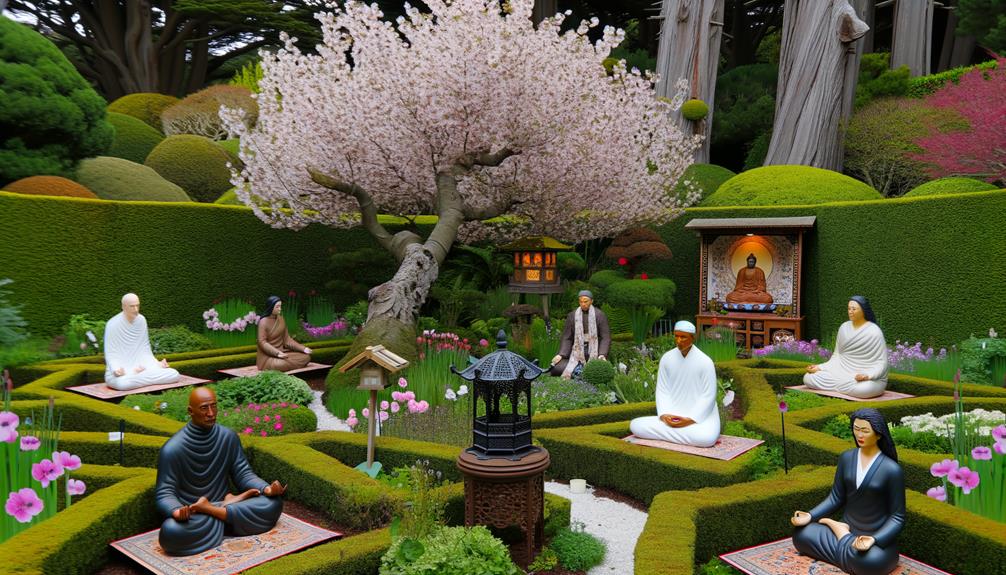
Frequently integrated into spiritual practices, cherry blossoms serve as profound symbols in rituals that celebrate renewal, mindfulness, and the transient nature of life.
In Japan, the tradition of ‘hanami‘ involves observing the ephemeral bloom of cherry trees, fostering a deep appreciation for life’s fleeting moments.
Botanically, Prunus serrulata, the Japanese cherry tree, blooms briefly, underscoring impermanence.
In Buddhist ceremonies, cherry blossoms are utilized to meditate on the transient nature of existence, aligning with the principle of ‘anicca’ or impermanence.
Culturally, the blossoms symbolize rebirth and the cyclical nature of seasons, reinforcing themes of renewal.
This botanical phenomenon encourages mindfulness and introspection, making cherry blossoms a central element in various spiritual and meditative practices across different cultures.
Influence on Modern Culture
Cherry blossom trees have permeated modern culture, symbolizing ephemeral beauty in various forms of media.
This botanical icon influences visual arts, where its delicate flowers frequently appear in paintings and digital artwork, and extends its reach into fashion and design, inspiring patterns and motifs.
Additionally, cherry blossoms are prominent in pop culture, often representing themes of renewal and the transient nature of life.
Symbolism in Pop Culture
In modern culture, cherry blossom trees symbolize renewal and the fleeting nature of life, influencing a wide array of artistic expressions, from film and literature to fashion and digital media. The transient beauty of Prunus serrulata, the botanical name for cherry blossoms, underscores themes of ephemerality and rebirth. In various cultural contexts, these blossoms are depicted as metaphors for life’s impermanent nature, resonating deeply with contemporary audiences.
- Anime and Manga: Frequently feature cherry blossoms to signify new beginnings or poignant endings.
- Fashion: Cherry blossom motifs appear in seasonal collections, symbolizing freshness and renewal.
- Video Games: Often integrate cherry blossom landscapes to evoke serene or nostalgic atmospheres.
This multidimensional symbolism enriches modern cultural narratives.
Impact on Art
Within the domain of modern art, cherry blossom trees serve as powerful symbols, blending botanical beauty with deep cultural and spiritual significance.
Artists frequently leverage the Prunus serrulata’s ephemeral blooms to evoke themes of transience and renewal. The delicate petals, often rendered in meticulous detail, reflect the botanical intricacies of these trees.
This artistic representation is deeply rooted in the Japanese cultural concept of ‘mono no aware,’ which acknowledges the poignancy of impermanence.
In contemporary artworks, cherry blossoms aren’t just aesthetic elements; they convey profound reflections on life’s fleeting nature and the beauty inherent in that transience.
Fashion and Design
Through the lens of fashion and design, cherry blossom motifs encapsulate a fusion of botanical elegance and cultural heritage, permeating various aspects of modern aesthetics.
The ephemeral beauty of Prunus serrulata, commonly known as cherry blossoms, has inspired intricate patterns and designs across textiles and accessories. This botanical symbol, deeply rooted in Japanese culture, signifies renewal and the fleeting nature of life, making it a timeless element in fashion.
- Textiles: Cherry blossom prints adorn kimonos, scarves, and modern apparel.
- Jewelry: Designers craft delicate cherry blossom-themed pieces, symbolizing beauty and transience.
- Interior Design: Cherry blossom motifs enhance wallpapers, ceramics, and home decor.
These applications highlight their enduring influence on contemporary design.
Cherry Blossoms in Different Religions
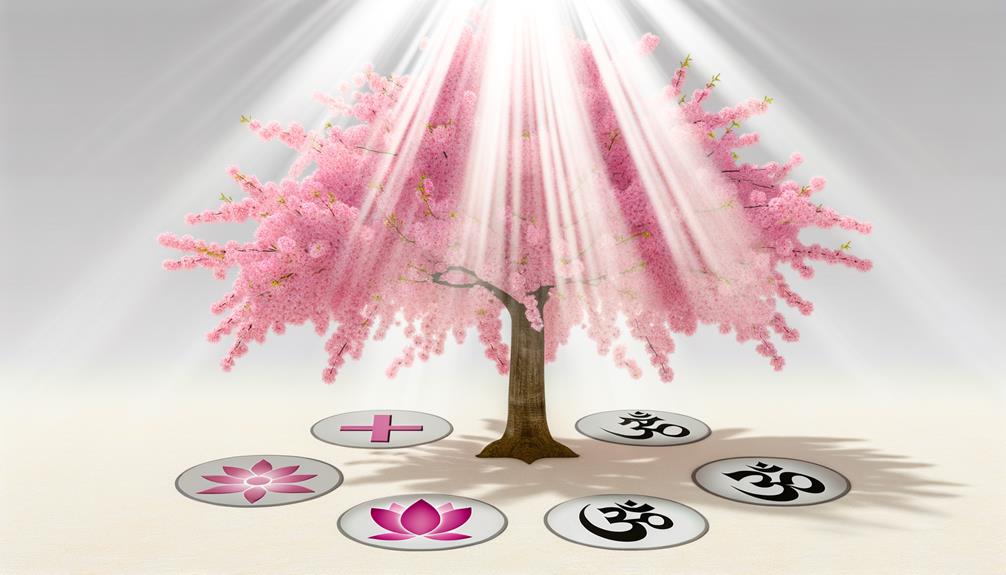
Various religions imbue cherry blossoms with rich spiritual symbolism, reflecting their cultural and botanical significance.
In Buddhism, cherry blossoms represent the transient nature of life, aligning with the concept of impermanence (anicca).
Shintoism, deeply rooted in Japanese culture, venerates cherry blossoms as symbols of purity and renewal, often associated with kami, divine spirits.
In Chinese Taoism, the blossoms signify feminine beauty and love, embodying the delicate balance of yin.
Christianity sometimes interprets the brief blooming period as a metaphor for the brevity of human existence and the beauty of creation.
Each tradition highlights different aspects of the cherry blossom’s ephemeral beauty, intertwining botanical characteristics with profound spiritual insights, thereby enriching the cultural tapestry where these trees thrive.
Lessons From Nature
Nature’s cycles offer profound lessons, and the cherry blossom tree, with its fleeting beauty, teaches the importance of appreciating life’s transient moments.
The ephemeral nature of cherry blossoms, scientifically known as Prunus serrulata, highlights the impermanence of existence, a core concept in various cultural philosophies, including Buddhism and Shintoism. Observing these blossoms can remind individuals to cherish the present and recognize the cyclical patterns of life.
- Impermanence: Cherry blossoms bloom briefly, stressing the transient nature of life.
- Renewal: Their annual blossoming signifies rebirth and new beginnings.
- Resilience: Despite their delicate appearance, cherry blossoms endure seasonal changes.
Conclusion
Essentially, cherry blossom trees offer a profound tapestry of meaning, blending scientific beauty with cultural depth.
They remind us that life’s fleeting moments shouldn’t be taken for granted.
With their roots in Japanese traditions and their petals touching various spiritual practices, these trees teach us to stop and smell the roses.
Embracing the transient nature of their bloom, they inspire mindfulness and appreciation, leaving an indelible mark on both our hearts and minds.